
Understanding and Treating Stiff Neck After Accident or Injury
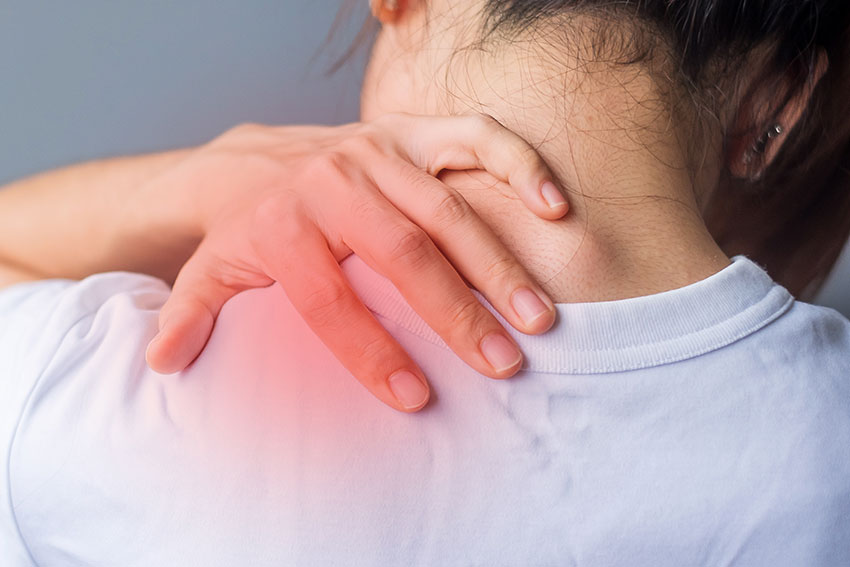
A stiff neck after a car accident or fall isn’t the same as waking up with a crick from sleeping wrong. Trauma-related neck stiffness often signals underlying damage to muscles, ligaments, or spinal structures that won’t resolve with a heating pad and a good night’s rest.
The difference matters because how you treat the stiffness depends entirely on what’s causing it. This guide covers the conditions behind post-trauma neck stiffness, warning signs that require immediate attention, and the treatment approaches that actually help you recover.
How to Treat Stiff Neck After Trauma
Treating a stiff neck after trauma starts with ruling out serious injuries like fractures or concussions. Once your provider confirms there’s no structural damage, treatment typically combines professional care with supportive home strategies. In the first 48 hours, ice helps reduce swelling. After that, heat therapy relaxes tight muscles and improves blood flow.
That said, trauma-related neck stiffness often points to underlying damage that home remedies alone won’t fix. A stiff neck from sleeping wrong is one thing. A stiff neck after a car accident is something else entirely, and it calls for professional evaluation to identify what’s actually going on.
At RejuvenX, we take an integrated approach that brings together chiropractic care, physiotherapy, pain management, and on-site diagnostic imaging. Your entire care team works together, which means your treatment plan adapts as you heal rather than staying static.
What Causes Stiff Neck After an Accident
During a collision, your head whips forward and back while your body stays restrained by the seatbelt. This rapid motion forces your cervical spine—the seven vertebrae in your neck—beyond its normal range. The result is strain on muscles, ligaments, and joints that weren’t designed for that kind of force.
Your body’s immediate response is something called muscle guarding. Essentially, the muscles around your neck clench up to protect you from further injury. While this protective reflex is helpful in the moment, it’s also what creates that stiff, locked-up feeling afterward.
What makes trauma-related stiffness different from everyday tension?
- Delayed onset: Adrenaline masks pain right after the accident, and inflammation builds over 24-48 hours
- Progressive worsening: Instead of improving, symptoms often get worse over the first few days
- Associated symptoms: Headaches, shoulder pain, and trouble concentrating frequently come along with the stiffness
- Resistance to simple fixes: Stretching and heat that work for normal muscle tension often don’t help much
Conditions That Cause Stiff Neck After an Accident
A stiff neck is a symptom, not a diagnosis. Several different injuries can produce similar symptoms, and figuring out which one you’re dealing with determines what treatment will actually work.
Whiplash & Soft Tissue Injuries
Whiplash happens when rapid back-and-forth motion stretches or tears the muscles and ligaments in your neck. It’s most common after rear-end collisions, though any accident involving sudden movement can cause it.
With whiplash, you’ll often notice stiffness that gets worse over the first day or two rather than better. Headaches that start at the base of your skull are common, and pain typically increases when you try to turn your head.
Herniated Disc
The gel-like cushions between your vertebrae can bulge or rupture from impact forces. When disc material presses on nearby nerves, you’ll usually feel neck stiffness along with pain, numbness, or tingling that travels down your arm. The pattern of symptoms depends on which nerve is affected.
Cervical Spine Fracture
A break in one of your neck vertebrae is serious and requires immediate attention. Warning signs include severe pain that doesn’t change when you shift positions, visible deformity, or any numbness or weakness in your arms or legs. If you suspect a fracture, go to the emergency room before seeking any other treatment.
Facet Joint Damage
Small joints connect each vertebra to the ones above and below it. Trauma can injure these joints, causing localized tenderness along the back of your neck. Facet joint injuries often produce pain with specific movements, particularly rotation or looking upward, and stiffness that’s worse first thing in the morning.
Warning Signs of Serious Neck Injury
Most post-accident neck stiffness comes from soft tissue injuries that respond well to treatment. However, certain symptoms point to potentially serious complications that require immediate medical attention.
Seek emergency care if you experience:
- Numbness or tingling in your arms or hands that persists or gets worse
- A severe headache unlike any you’ve had before
- Vision changes, dizziness, or balance problems
- Weakness in your arms or legs
- Loss of bladder or bowel control
RejuvenX providers are trained to recognize warning signs and will coordinate emergency care when the situation calls for it.
Professional Treatment Options for Stiff Neck
Effective treatment addresses both your symptoms and their underlying cause. At RejuvenX, we combine multiple treatment approaches based on your specific diagnosis and how your body responds.
| Treatment | What It Addresses | Best For |
|---|---|---|
| Chiropractic care | Spinal alignment, joint mobility | Misalignment, restricted movement |
| Physiotherapy | Muscle strength, flexibility | Soft tissue injuries, weakness |
| Pain management | Persistent or complex pain | Severe symptoms limiting function |
| Diagnostic imaging | Identifying underlying injuries | Accurate diagnosis, documentation |
Chiropractic Care for Spinal Alignment
Gentle, controlled adjustments restore proper vertebral alignment and improve joint mobility. Post-trauma chiropractic looks different from routine wellness care. Your provider uses modified techniques appropriate for injured tissues and reviews diagnostic imaging before beginning treatment.
Most patients notice reduced pain and better range of motion within the first few treatments. Progress continues over several weeks as your body heals and adjustments build on each other.
Physiotherapy & Rehabilitation
Chiropractic care restores alignment, but physiotherapy rebuilds the strength and flexibility you need to maintain that alignment long-term. Your program might include manual therapy, therapeutic exercises, and progressive stretching tailored to your specific injury.
Treatment evolves in phases. The first few weeks focus on gentle range of motion work. As inflammation goes down, strengthening exercises come into play. Later, functional training helps you return to normal activities safely and with confidence.
Diagnostic Imaging for Accurate Diagnosis
You can’t treat what you haven’t properly diagnosed. X-rays show bone alignment and identify fractures. MRI reveals soft tissue injuries like herniated discs and ligament tears that X-rays miss.
At select RejuvenX locations, on-site imaging means no separate appointments and no waiting for records to transfer between facilities. Your care team reviews results right away and adjusts your treatment plan based on what they find.
Stiff Neck Relief at Home After an Injury
Home care supports professional treatment, but it doesn’t replace medical evaluation after trauma. Think of home strategies as something to use between appointments, not instead of them.
Gentle movement: Complete rest feels like the right call, but it can actually make stiffness worse. Slow, controlled movements within your pain-free range—like gentle head turns and chin tucks—promote blood flow and maintain mobility. If you feel sharp pain or numbness, stop right away.
Temperature therapy: Ice works best in the first 48-72 hours to bring down inflammation. Apply it for 15-20 minutes at a time, wrapped in a towel. After that initial period, heat helps relax tight muscles and improve circulation.
Sleep positioning: A cervical pillow or rolled towel under your neck curve keeps your spine aligned while you sleep. Stomach sleeping forces your neck into a rotated position for hours, which tends to make morning stiffness worse.
Important: If you haven’t been evaluated within 14 days of your accident, don’t let home remedies delay that appointment. Florida’s PIP requirements and your health both depend on timely assessment.
How Long Does Recovery Take
Recovery time varies based on injury severity, when you start treatment, and individual factors like age and overall health.
- Weeks 1-2: Pain and inflammation are at their peak; treatment focuses on pain management and gentle movement
- Weeks 3-6: Inflammation goes down; range of motion improves; strengthening work begins
- Weeks 7-12: Continued improvement; gradual return to normal activities
- Beyond 12 weeks: Most soft tissue injuries have healed; persistent symptoms call for re-evaluation
Patients who begin treatment within the first week typically see better outcomes than those who wait to see if symptoms resolve on their own. Early intervention makes a real difference.
When to See a Provider for Stiff Neck After Trauma
After any auto accident or significant impact, professional evaluation matters—even if you feel fine right afterward. Symptoms commonly appear or worsen 24-48 hours after the incident, once adrenaline wears off and inflammation sets in.
Florida’s 14-day PIP requirement: Florida law requires medical evaluation within 14 days of an auto accident to qualify for Personal Injury Protection coverage. Missing this deadline can result in denial of coverage for all accident-related treatment, regardless of when symptoms first appeared.
RejuvenX makes meeting this deadline straightforward. We offer same-day appointments, evening and weekend availability, and 11+ locations across Florida. Our team handles insurance paperwork and provides the detailed documentation your claim requires.
Begin Your Recovery Today
If you’ve experienced a stiff neck after an accident, early evaluation leads to better outcomes and ensures you meet Florida’s insurance requirements.
RejuvenX offers same-day appointments at convenient locations throughout Southwest, Central, and Southeast Florida.
Frequently Asked Questions
Minor soft tissue strains sometimes improve with rest and home care. However, trauma-related stiffness often indicates underlying damage that benefits from professional treatment. Without proper evaluation, you risk missing injuries that could become chronic problems down the road.
Everyday stiffness from sleeping wrong or poor posture typically improves within a day or two with stretching and heat. Whiplash-related stiffness often worsens over the first 48 hours, comes with headaches or shoulder pain, and doesn’t respond well to simple home remedies. If your stiffness followed a collision or impact, professional evaluation is a good idea.
Florida’s no-fault PIP insurance typically covers medical treatment after auto accidents, including chiropractic care, physiotherapy, and diagnostic imaging. RejuvenX works directly with insurance providers and can help coordinate your coverage. The key is getting evaluated within 14 days of your accident to preserve your benefits.