
How Chiropractic Treatment Supports Back Pain Relief Following Car Accidents
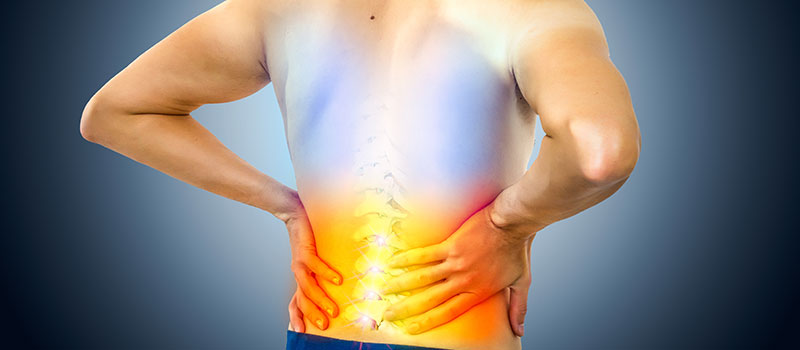
The force of a car accident can shift vertebrae, strain muscles, and compress discs in your spine—all in a fraction of a second. What’s frustrating is that back pain often doesn’t show up until days later, leaving you wondering why you suddenly can’t move the way you used to.
Chiropractic care offers a drug-free approach that focuses on addressing structural concerns rather than simply masking discomfort. This guide covers how adjustments work, what injuries may respond to treatment, and what to expect during your recovery at an experienced auto accident injury center in Florida.
Why Car Accidents Cause Back Pain
Chiropractic care provides non-invasive, drug-free care for back pain after a car accident. The approach focuses on three primary goals: supporting spinal alignment, helping reduce inflammation, and restoring range of motion. Unlike pain medication that temporarily blocks pain signals, chiropractic adjustments focus on improving joint mechanics and overall function.
Even low-speed collisions can place significant force on your spine. The sudden stop or impact may shift vertebrae out of position, strain the muscles and ligaments supporting your back, and compress the soft discs between each bone. Your body absorbs that energy in a fraction of a second.
Here’s what makes back pain after a car accident challenging: symptoms don’t always show up right away. Adrenaline can mask pain in the hours following a collision, and inflammation builds gradually over the next few days. You might walk away from the accident feeling okay, then wake up three days later with stiffness and limited movement.
The collision may affect your back in a few specific ways:
- Compression: A rear-end impact can compress your spine vertically, placing pressure on discs and vertebrae
- Hyperextension: The force can bend your back beyond its normal range, overstretching muscles and ligaments
- Rotation: Twisting during impact can affect spinal alignment and joint function
Back Injuries Addressed by Chiropractic Care
Chiropractors experienced in treating auto accident injuries commonly evaluate certain musculoskeletal conditions. Identifying the type of injury helps guide the appropriate care plan.
Herniated & Bulging Discs
Your spinal discs sit between each vertebra and act as shock absorbers. They have a tough outer layer and a softer gel-like center. When a collision compresses your spine, a disc can bulge outward or rupture, which is known as a herniation.
When disc material affects nearby nerves, you may feel pain that radiates into your arms or legs, along with numbness or weakness. Disc injuries often require thorough examination and, when appropriate, diagnostic imaging.
Spinal Misalignment & Subluxations
A subluxation occurs when a vertebra shifts from its optimal position. Even subtle misalignment may contribute to localized pain, restricted movement, and nerve irritation.
Soft Tissue Damage & Muscle Strains
The muscles, ligaments, and tendons that support your spine can stretch or tear during impact. Soft tissue injuries are common after collisions and often contribute to stiffness and limited mobility. Guided treatment may help support tissue healing and flexibility.
Nerve Compression & Sciatica
When vertebrae shift or surrounding tissues swell, spinal nerves may become irritated. Sciatica is one example, where discomfort travels from the lower back down the leg. Tingling, numbness, or weakness may accompany the pain.
How Chiropractic Adjustments Support Back Pain Relief
Pain medication works by blocking pain signals from reaching your brain. Chiropractic adjustments take a different approach: they aim to improve joint movement and spinal alignment to support the body’s natural healing processes.
During an adjustment, your chiropractor applies controlled pressure to specific joints in your spine. The goal is to restore proper motion and alignment. When joint mechanics improve, several supportive effects may occur:
- Improved alignment: Vertebrae affected by impact may move closer to their optimal position
- Reduced nerve irritation: Supporting alignment may help decrease pressure on surrounding nerves
- Improved circulation: Healthy joint motion supports blood flow to injured tissues
- Support for inflammation management: Restoring movement may assist the body’s inflammatory response
- Muscle relaxation: As joint function improves, protective muscle tension may decrease
Adjustments for accident-related injuries are typically modified based on your comfort level and clinical findings.
Chiropractic Treatment Methods for Car Accident Injuries
Effective post-accident care often combines multiple treatment approaches rather than relying on adjustments alone. Your provider will determine what best fits your specific needs.
Spinal Adjustments & Manual Manipulation
Manual manipulation is central to chiropractic care. Controlled techniques are used to improve joint mobility and support spinal alignment. Some patients notice gradual improvements over the course of care.
Soft Tissue Therapy & Myofascial Release
Fascia is connective tissue surrounding your muscles. After trauma, fascia may become tight or restricted. Myofascial techniques use sustained pressure to help improve tissue mobility and flexibility.
Therapeutic Rehabilitation & Strengthening Exercises
As your spine recovers, strengthening supportive muscles is important. Your provider may recommend guided exercises that progress over time to support long-term function and stability.
Benefits of Chiropractic Care After a Car Accident
Chiropractic care focuses on addressing underlying musculoskeletal contributors to pain rather than solely masking symptoms.
| What Chiropractic Care May Provide | Why It Matters |
|---|---|
| Drug-free pain management | Reduces reliance on long-term medication |
| Improved mobility | Supports return to daily activities |
| Inflammation management | Assists the body’s natural healing response |
| Support for long-term function | Addresses injuries early to reduce risk of persistent discomfort |
| Coordinated recovery approach | Focuses on functional improvement |
When structural concerns go unaddressed, the body may compensate by moving differently. Over time, these compensation patterns can place added stress on other joints and tissues.
How Chiropractic Care Integrates with Comprehensive Treatment
Chiropractic adjustments can be part of a coordinated care plan. At integrated auto accident injury centers, chiropractors work alongside pain management physicians, physiotherapists, and diagnostic imaging services.
This integrated model helps streamline communication between providers and supports consistent documentation.
The components of integrated care may include:
- On-site diagnostic imaging: X-rays or MRI scans may assist in evaluating injuries
- Coordinated pain management: Providers collaborate when cases require multi-disciplinary input
- Complementary physiotherapy: Rehabilitation exercises support spinal stability
- Unified documentation: Consistent medical records may assist with Florida auto insurance or legal processes
Why Early Chiropractic Evaluation Matters
Seeking care soon after your accident may support better recovery outcomes. When treatment is delayed, inflammation may persist and scar tissue formation can limit mobility.
In Florida, there is also an important insurance consideration. Under Florida’s no-fault auto insurance system, Personal Injury Protection (PIP) requires evaluation by a qualified provider within 14 days of the accident to maintain eligibility for benefits. Missing this window may affect access to PIP coverage.
Early evaluation may help:
- Support tissue mobility during healing
- Identify less obvious injuries
- Maintain eligibility under Florida PIP auto insurance
- Establish documentation linking injuries to the accident
What to Expect During Chiropractic Treatment
Your first visit begins with a comprehensive evaluation. Your provider will review your health history, discuss accident details, and perform a physical examination. Depending on findings, you may receive X-rays or other imaging for further assessment.
Based on the evaluation, your chiropractor develops a personalized care plan outlining recommended treatments and visit frequency. Plans are adjusted as your condition changes.
Early care often involves more frequent visits, with frequency decreasing as function improves. Progress is monitored throughout your treatment.
Insurance Coverage & Documentation
Under Florida’s no-fault auto insurance system, Personal Injury Protection (PIP) may cover medically necessary chiropractic treatment following a car accident.
Key points about Florida PIP coverage:
- An initial evaluation must occur within 14 days of the accident
- Chiropractors qualify as approved providers under Florida PIP
- Coverage depends on your individual Florida auto insurance policy
- Clear documentation verifying accident injuries is important
At RejuvenX, we assist patients with documentation related to Florida auto insurance claims and coordinate records when authorized.
Begin Your Back Pain Recovery at RejuvenX
RejuvenX offers same-day appointments at 11+ locations across Florida, with evening and weekend availability. Our integrated care model brings chiropractic treatment, pain management, physiotherapy, and diagnostic imaging together under one roof.
With over two decades of experience treating patients after auto accidents, our team understands that every accident and every patient is different. Transportation coordination may be available for initial visits if your vehicle was damaged in the accident.
FAQs About Chiropractic Care for Back Pain After an Accident
Lorem ipsum dolor sit amet, consectetur adipiscing elit. Ut elit tellus, luctus nec ullamcorper mattis, pulvinar dapibus leo.
Lorem ipsum dolor sit amet, consectetur adipiscing elit. Ut elit tellus, luctus nec ullamcorper mattis, pulvinar dapibus leo.