
What Is a Chiropractic Adjustment After a Car Accident?
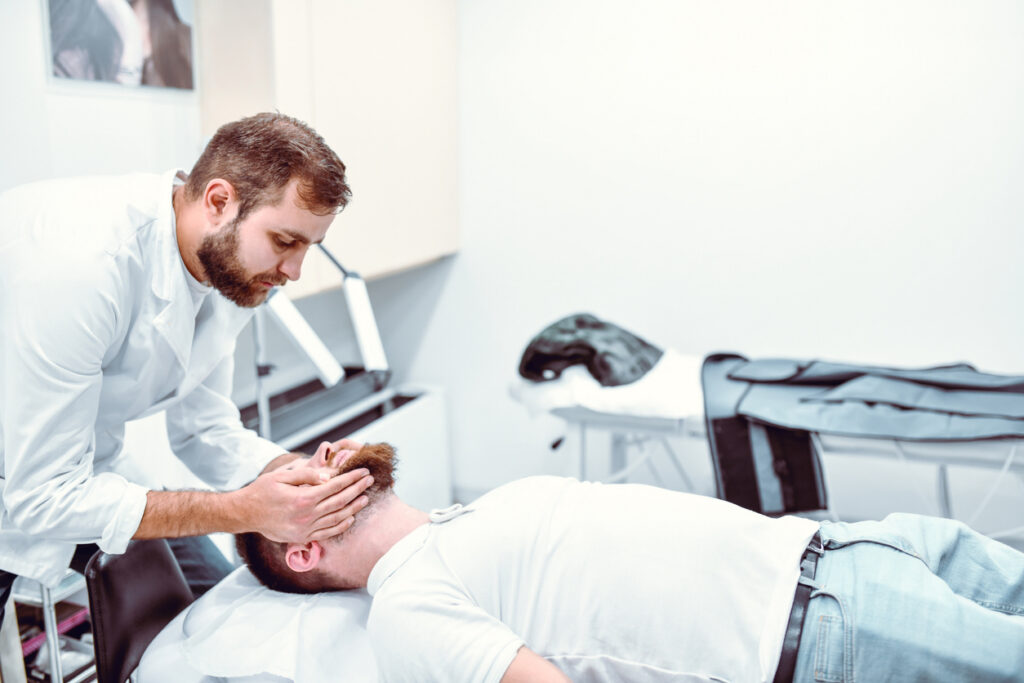
A chiropractic adjustment after a car accident is a controlled, hands-on procedure in which a trained provider applies precise pressure to specific spinal joints to help restore alignment, ease nerve irritation, and support mobility following collision-related injury. Also called spinal manipulation, it is one part of a broader recovery plan tailored to the unique impact of an auto accident on your spine and soft tissue.
If you have recently been in a crash, you may be sore, stiff, anxious about what comes next, or unsure whether you even need care. That is a normal place to be. The hours and days after an accident can bring symptoms that were not there at the scene, and getting clear answers matters.
This guide walks you through how accidents affect the spine, what a chiropractic evaluation involves, what happens during an adjustment, when it may not be appropriate, what to expect afterward, and how this care fits with physiotherapy and pain management at RejuvenX.
Key Takeaways
Key Takeaways
- A chiropractic adjustment uses controlled force on specific spinal joints to help restore alignment and mobility after a car accident.
- A thorough evaluation, including medical history, physical exam, and sometimes diagnostic imaging, comes before any adjustment is performed.
- Certain conditions may make spinal adjustment inappropriate, which is why RejuvenX screens every patient and can recommend alternative care.
- Recovery after a collision is typically a process across multiple visits, not a single appointment.
- Florida’s 14-day PIP evaluation window makes early scheduling important for both care and insurance documentation.
How a Car Accident Affects Your Spine & Soft Tissue
Many people walk away from a crash feeling shaken but otherwise okay, only to wake up the next morning with a stiff neck, a sore lower back, or a headache that will not quit. That delay is one of the most common patterns we see in auto accident care, and it is rooted in how the body responds to sudden force.
During a collision, your spine and surrounding soft tissue can absorb energy that stretches ligaments, strains muscles, and shifts vertebrae out of their usual position. The adrenaline that floods your system at the moment of impact often masks pain for hours or even days.
Why Symptoms Are Often Delayed After a Collision
Whiplash, back pain, headaches, and stiffness can appear in the days or weeks following a crash rather than at the scene. Inflammation builds gradually as the body responds to micro-injuries in muscles, tendons, and ligaments. By the time you notice the pain, the underlying tissue irritation may already be limiting your range of motion.
Common Injuries That May Involve Spinal Misalignment
Rear-end and side-impact collisions are particularly known for producing whiplash, where the head and neck snap forward and back rapidly. This motion can disrupt the alignment of cervical vertebrae and irritate surrounding nerves. Lower back injuries, mid-back strain, and shoulder involvement are also common, and each can involve some degree of spinal misalignment.
Soft Tissue Damage vs. Structural Injury: Why the Distinction Matters
Even when X-rays do not show visible bone damage, micro-tears in ligaments and muscles can cause pain and swelling. Soft tissue injury and structural injury often coexist after an accident, and pinning down which is contributing to your symptoms shapes the entire care plan. A qualified provider needs to assess both before deciding whether and how to perform an adjustment.
What a Chiropractic Evaluation Looks Like After an Accident
Before any hands-on treatment, your first appointment focuses on understanding what happened to your body. The evaluation is the foundation of safe, personalized care, not a formality. At RejuvenX, this visit is where your provider gathers the information needed to recommend a plan that fits your injuries and your goals.
Medical History and Symptom Review
Your provider will ask about the accident itself, including the direction of impact, your position in the vehicle, and whether you lost consciousness. You will also be asked about your current symptoms, prior injuries, medications, and any existing health conditions. Be honest and thorough, even about pain that comes and goes.
Physical and Neurological Examination
A physical exam follows the history review. Your provider checks posture, range of motion, muscle tone, and tenderness along the spine. A neurological evaluation tests reflexes, strength, and sensation, which helps identify whether nerves may be compressed or irritated.
When X-Ray or MRI Imaging May Be Recommended
Diagnostic imaging is not always necessary, but it is often valuable after a collision. X-rays can reveal vertebral alignment issues and rule out fractures, while MRI can show soft tissue injuries, disc problems, and nerve involvement. On-site X-ray and MRI services are available at select RejuvenX locations, which helps speed up diagnosis and supports the documentation needed for insurance claims.
How Evaluation Results Shape Your Treatment Plan
Once your provider has a complete picture, they discuss findings with you and outline what care may look like. For some patients, this means starting with gentle chiropractic adjustments. For others, it means physiotherapy first, pain management consultation, or a combination of approaches. Every plan is built around your specific findings.
Wondering whether your symptoms warrant a closer look? A thorough evaluation is the first step toward understanding what your body needs after a crash. Schedule an evaluation at a RejuvenX clinic near you when you are ready.
What Actually Happens During a Chiropractic Adjustment
Many patients arrive at their first adjustment with questions or quiet worries about what it will feel like. Understanding the process tends to make the experience more comfortable, so here is what you can expect.
Spinal Manipulation: What the Chiropractor Is Doing & Why
Spinal manipulation involves applying a controlled, sudden force to a specific joint, moving it slightly beyond its usual range of motion. The goal is to improve joint movement, ease nerve irritation, and support better physical function. Your provider may use their hands or a small instrument depending on the area being treated and your overall condition.
You will typically lie face down on a padded table, though you may be asked to change positions so your provider can reach different areas of the spine. Each contact is precise and intentional, focused on the joints identified during your evaluation.
What the Cracking or Popping Sound Actually Means
The sounds you may hear during an adjustment can be startling the first time. They are caused by gas bubbles releasing within the fluid that lubricates your joints, similar to what happens when you crack your knuckles. The sound is not bone on bone, and it is not a sign of anything being broken or torn. Many patients find the noise becomes less noticeable after the first few visits as they get used to the rhythm of care.
How Force & Technique Are Adjusted for Accident Patients
The intensity of an adjustment is not one-size-fits-all. After a recent collision, tissue is often inflamed and tender, so your provider may use gentler techniques, low-force instruments, or alternative positioning to keep treatment comfortable. As your body settles and inflammation eases, the approach may evolve.
When Chiropractic Adjustment May or May Not Be Appropriate
Chiropractic care is helpful for many accident patients, but it is not the right choice for everyone. A careful screening process is one of the clearest signs of responsible, patient-centered care.
Conditions That May Contraindicate Spinal Adjustment
Spinal manipulation is generally not recommended for patients who have:
- Cancer involving the spine
- Severe osteoporosis
- Bone abnormalities in the upper neck
- Elevated risk of stroke
- Significant tingling, numbness, or loss of strength in the arms or legs
A herniated disc or active nerve compression may also change how care is approached, and in some cases means a different treatment path is safer.
How RejuvenX Screens Patients Before Beginning Care
During your evaluation, your provider reviews your medical history, examines you physically, and considers diagnostic imaging where appropriate. If anything in that picture suggests adjustment is not the right fit, your provider will say so directly and discuss other options. This screening protects you and helps your care team build a plan that actually fits your situation.
Alternative Care Options When Adjustment Is Not Recommended
When spinal manipulation is not appropriate, other approaches can still support your recovery. Physiotherapy, myofascial release, soft tissue therapy, core stabilization work, electrical muscle stimulation, and pain management services are all part of the toolkit at RejuvenX. Your provider helps you understand which combination makes sense for your injuries.
What Patients May Notice During & After Treatment
Every accident and every body responds differently, and what one patient experiences may differ from another’s. With that in mind, here are some of the patterns providers commonly see.
Sensations During & Immediately After an Adjustment
Most adjustments are quick. Some patients feel an immediate sense of release or improved mobility, while others notice mild soreness for a day or two as the body adjusts, similar to what you might feel after a new workout. Drinking water, moving gently, and following your provider’s guidance can help ease that initial response.
Why Recovery Is Typically a Process, Not a Single Visit
A single adjustment rarely resolves the layered effects of a car accident. Recovery usually unfolds across multiple visits as inflammation eases, mobility improves, and supporting muscles regain strength. The total number of sessions varies based on the severity of your injuries, how your body responds, and what other therapies are included in your plan. For more on what a recovery schedule may look like, see our guide on what to expect during auto accident aftercare.
Tracking Progress: Mobility, Function & Pain Levels Over Time
Your provider monitors how your range of motion, strength, and pain levels change from visit to visit. Adjustments to the plan, including the techniques used, the frequency of visits, and the addition or reduction of other therapies, are based on this ongoing feedback. Recovery is not a straight line, and small improvements often add up.
How Chiropractic Care Fits Into a Broader Recovery Plan
The most effective recovery after a car accident typically involves more than one type of care working together. Chiropractic adjustment addresses spinal alignment and joint mobility, but it is one piece of a larger picture.
Combining Chiropractic Adjustments with Physiotherapy
While chiropractic care focuses on spinal alignment and nervous system function, therapeutic rehabilitation and physiotherapy emphasize muscle strength, flexibility, and movement recovery. Together, they help your body rebuild stability and reduce the risk of reinjury. Techniques such as myofascial release, guided stretching, core stabilization, and progressive mobility conditioning all complement adjustments.
When Pain Management May Be Part of the Plan
For patients with persistent or complex pain, pain management services led by experienced physicians can provide additional support. Non-opioid care options may be considered when clinically appropriate, and your care team coordinates closely so each layer of treatment supports the others rather than working in isolation.
The Role of Ongoing Imaging in Monitoring Recovery
Diagnostic imaging is not just for the initial evaluation. Follow-up X-rays or MRI scans, when clinically warranted, can help your providers see how your spine and soft tissue are responding and adjust the plan accordingly. Imaging also supports the documentation that may be needed for your insurance claim.
Getting Started with Care After Your Accident in Florida
Figuring out next steps after an accident can feel like a lot, especially when you are sore, juggling insurance calls, and trying to keep up with daily life. RejuvenX is experienced in helping patients move forward with confidence, and the process is simpler than it may feel right now.
Florida’s 14-Day PIP Requirement & Why Timing Matters
Under Florida auto insurance, Personal Injury Protection (PIP) generally requires that you be evaluated by a qualified medical provider within 14 days of your accident to remain eligible for PIP benefits. This is an educational point about Florida law, not a guarantee of coverage in any individual case. Scheduling your first appointment soon after the crash helps protect both your health and your eligibility.
What to Bring to Your First Appointment
Bring a photo ID, your auto insurance information, and any health insurance cards you may have. If you have an attorney handling your accident claim, bring their contact information. Notes about your symptoms, the accident itself, and any medications you are taking are also helpful.
Same-Day Appointments & Transportation Support at RejuvenX
With more than 11 locations across Southwest, Central, and Southeast Florida, RejuvenX offers same-day and next-day appointments, including evenings and weekends. If your vehicle is out of service after the crash, transportation coordination may be available for your first visits so you do not have to delay care. Bilingual staff are available at many locations. You can learn more about our comprehensive auto accident injury services when you are ready to take the next step.
Begin Recovery with a Team That Knows Auto Accident Care
If you have been in a car accident and are wondering what comes next, RejuvenX is here to help you sort it out. Our team will listen to what you are experiencing, evaluate your injuries carefully, and build a plan that fits your body and your life. Request an appointment today and let us be your partner in healing.
Frequently Asked Questions
It is generally best to be evaluated as soon as possible after a car accident, ideally within a few days. Early evaluation helps catch soft tissue injuries that may not produce immediate pain and supports a smoother recovery. In Florida, Personal Injury Protection (PIP) generally requires evaluation by a qualified medical provider within 14 days of the accident to maintain eligibility for PIP benefits, so scheduling promptly is important for both your health and your insurance situation.
Most patients do not find adjustments painful, even when they are already sore from a crash. Your provider tailors the force and technique to your level of inflammation and tenderness, often using gentler methods or low-force instruments in the early stages of care. Some mild soreness for a day or two afterward is possible, similar to how you might feel after a new physical activity, and it typically eases quickly.
The number of sessions varies based on the severity of your injuries, how your body responds to care, and what other therapies are part of your plan. Some patients see meaningful improvement within several weeks, while others need a longer course of care. Your provider monitors your progress and adjusts the plan as you heal, so the schedule reflects what your body actually needs.
Chiropractic care is among the services that may be covered under Florida’s no-fault Personal Injury Protection (PIP) insurance when you meet the state’s requirements, including being evaluated within 14 days of the accident. Specific coverage depends on your individual policy and circumstances, so this information is educational rather than a guarantee. RejuvenX works directly with your insurance provider and attorney where applicable to help with documentation and billing.
Yes, you can typically see a chiropractor as your initial provider after a car accident. A thorough chiropractic evaluation includes medical history, physical examination, and neurological assessment, and your provider can recommend diagnostic imaging or refer you to another specialist if your findings warrant it. At RejuvenX, chiropractors work alongside physicians and physiotherapists, so coordinated care is built into the process from your first visit.
Chiropractic adjustment focuses on spinal alignment, joint mobility, and nervous system function through controlled manual techniques. Physiotherapy emphasizes restoring muscle strength, flexibility, and movement through exercises, manual therapy, and modalities such as electrical muscle stimulation. The two approaches address different aspects of recovery, and at RejuvenX they are often combined to support a more complete return to function after a car accident.