
Muscle Pain After a Car Accident: Causes, Symptoms & Treatment Options
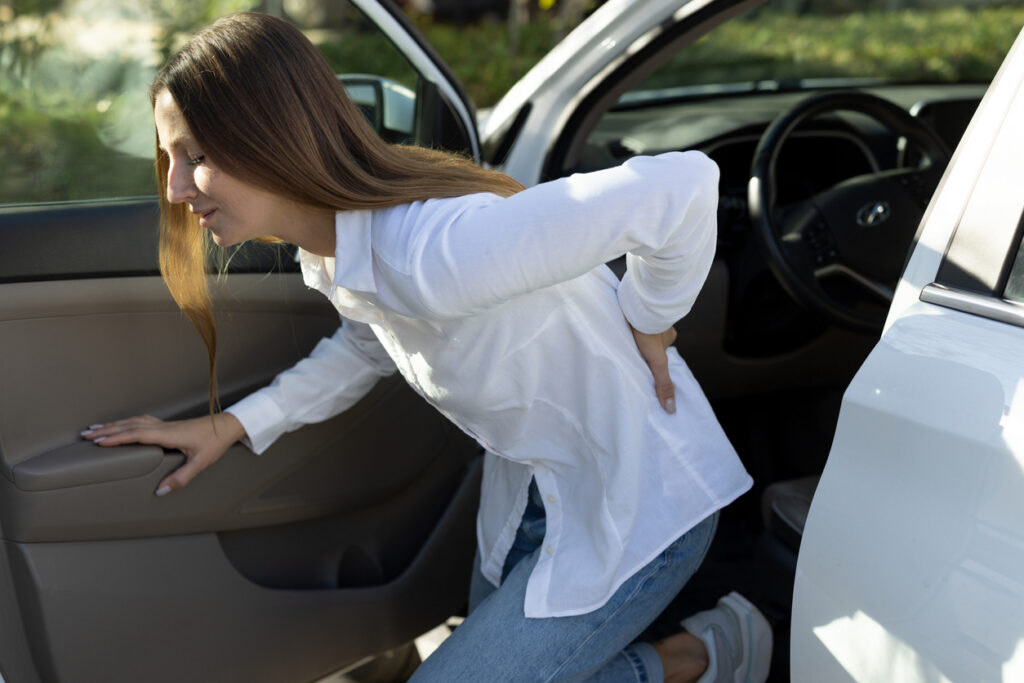
You walked away from the accident feeling shaken but okay. Then you woke up the next morning and could barely get out of bed.
This delayed onset of muscle pain catches many people off guard, but it’s actually one of the most common experiences after a car accident. Below, we’ll cover why your body reacts this way, what injuries might be causing your pain, and how to find relief through both home care and professional treatment.
Why your body hurts after a car accident
Muscle pain after a car accident is common and usually comes from soft tissue injuries like whiplash, strains, or sprains. What surprises many people is that symptoms often don’t show up until 24 to 48 hours after the crash. Your body’s stress response temporarily blocks pain signals, so you might feel fine at first and then wake up the next morning barely able to move.
During a collision, your muscles tense up quickly to protect your body. That sudden tightening, combined with the force of impact, can overstretch or tear muscle fibers. At the same time, adrenaline floods your system and masks the damage.
Over the following day or two, inflammation builds in the injured tissues. Swelling develops gradually, and discomfort often peaks around two to three days after the accident. Knowing this timeline helps explain why getting evaluated early matters, even when you feel okay right after the crash.
Common injuries that cause muscle pain after a crash
The force of a collision affects your body in several ways. Here are the injuries that most often lead to muscle pain after an auto accident.
Sprains & strains
Sprains happen when ligaments (the tissues connecting bones) get stretched or torn. Strains affect muscles or tendons. Both are extremely common after a car wreck and cause soreness, swelling, and difficulty moving. Even a low-speed collision can produce enough force to damage soft tissues.
Whiplash & neck muscle injuries
Whiplash occurs when your head snaps rapidly back and forth during impact. This motion strains the muscles and ligaments in your neck. Common symptoms include neck and shoulder pain, stiffness, and headaches. You might not notice the full extent of whiplash for hours or even days.
Muscle contusions & bruising
Deep muscle bruising happens when your body strikes the steering wheel, door panel, or seat belt during a crash. Contusions cause localized pain, tenderness, and discoloration. While bruises typically heal on their own, significant contusions can limit your mobility and benefit from professional care.
Muscle spasms after a car accident
Muscle spasms are involuntary contractions that often occur in the back and neck after a collision. Your body triggers spasms as a protective response, essentially “guarding” the injured area. Though spasms serve a purpose, they can be painful and make it hard to move normally.
Seat belt & airbag injuries
Safety equipment saves lives, yet it can also cause injury during deployment. Seat belts commonly cause chest, shoulder, and abdominal muscle strain. Airbag impact may bruise the chest, arms, or face. The trade-off is worth it, but the injuries still deserve attention.
Symptoms of musculoskeletal pain after a car accident
Recognizing your symptoms helps you communicate clearly with your care team. You might experience any combination of the following:
- Soreness and stiffness: Generalized body aches that make movement uncomfortable
- Localized tenderness: Pain when touching or pressing specific areas
- Reduced range of motion: Difficulty turning your head, bending, or reaching
- Swelling or inflammation: Visible puffiness or a sensation of tightness
- Radiating pain: Discomfort that spreads from one area to another, like neck pain extending into the shoulders
Some symptoms appear right away, while others develop over days. If you notice new or worsening symptoms in the week following your accident, don’t brush them off.
How long should you be sore after a car accident
This is one of the most common questions after a collision. The honest answer: it depends on the injury. Minor muscle strains often improve within a few weeks with proper care. More significant injuries may take six to eight weeks or longer to heal fully.
Your recovery timeline depends on several factors:
- Injury severity: A mild strain heals faster than a torn muscle or ligament
- Overall health: Your age, fitness level, and any pre-existing conditions play a role
- Treatment timing: Starting care early often leads to faster recovery
The key point is that persistent or worsening pain isn’t something to push through. If soreness lingers beyond what feels reasonable, a professional evaluation can identify whether something more serious is going on.
Warning signs that indicate a serious injury
While muscle soreness is expected after an accident, certain symptoms suggest a more significant injury that benefits from prompt attention:
- Severe or increasing pain that doesn’t improve with rest
- Numbness or tingling in your arms or legs
- Severe headaches or dizziness
- Significant reduction in range of motion
- Pain that disrupts sleep or daily activities
Any of the symptoms listed above can indicate nerve involvement, spinal injury, or other conditions where early intervention makes a difference. When in doubt, getting evaluated provides peace of mind and ensures nothing gets overlooked.
How to treat sore muscles after an accident
For mild to moderate muscle pain, home care can support your recovery in the first few days after an accident.
Rest & controlled movement
Rest is helpful in the first day or two, but staying in bed too long can actually increase stiffness. Gentle activity like short walks helps maintain circulation and keeps muscles from tightening further. Listen to your body and avoid anything that significantly increases pain.
Ice & heat therapy
In the first 48 to 72 hours, applying ice for 15 to 20 minutes several times daily helps reduce inflammation. After the initial period, switching to heat can relax tense muscles and improve blood flow to healing tissues.
Over-the-counter pain relief
OTC medications may help manage discomfort during recovery. It’s wise to check with a provider before starting any medication, especially if you have other health conditions or take other medications.
Gentle stretching & mobility exercises
Light stretching can prevent stiffness and support healing. Focus on slow, controlled movements rather than aggressive stretching that could worsen an injury. If stretching causes sharp pain, stop and talk to a provider.
Tip: Home care works well for minor soreness. If your pain is significant, getting worse, or accompanied by other symptoms, professional evaluation gives you a clearer picture of what’s happening.
Professional treatment options for pain after an auto accident
When home care isn’t enough, or when you want to make sure you recover fully, professional treatment offers targeted solutions.
Chiropractic care for muscle pain
Chiropractic adjustments address spinal alignment and relieve muscle tension without medication. When your spine is properly aligned, the surrounding muscles can relax and heal more effectively. At RejuvenX, chiropractic care is part of a coordinated treatment approach that addresses the whole picture.
Physiotherapy & therapeutic rehabilitation
Physiotherapy focuses on rebuilding strength, flexibility, and mobility after injury. Your treatment plan adapts as you progress, incorporating manual therapy, guided stretching, resistance training, and balance exercises. The goal is lasting recovery that restores full function.
Pain management services
For complex or persistent pain that doesn’t respond to initial treatment, specialized pain management providers offer advanced interventions. Pain management addresses the underlying causes of ongoing discomfort when other approaches haven’t provided relief.
Diagnostic imaging
X-rays and MRIs help identify the source of your pain and rule out fractures, disc injuries, or other conditions that require specific treatment. RejuvenX offers on-site imaging at select locations, which speeds up diagnosis and ensures complete documentation for your records.
When to see a provider for body aches after a car accident
Even if your pain seems minor, some injuries aren’t immediately apparent. A professional evaluation establishes a baseline, identifies hidden injuries, and creates a treatment plan tailored to your situation.
Florida requires evaluation within 14 days of your accident to qualify for Personal Injury Protection (PIP) coverage. This deadline applies regardless of how you feel, so scheduling an appointment promptly protects both your health and your insurance benefits.
What type of provider treats muscle pain after an accident
You have several options when seeking care for post-accident muscle pain:
- Chiropractors: Focus on spinal alignment and musculoskeletal function
- Physical therapists: Specialize in movement, strength, and flexibility recovery
- Pain management physicians: Address complex or chronic pain conditions
- Integrated care teams: Coordinate multiple specialties under one roof
An integrated approach, where chiropractors, physiotherapists, and pain management providers work together, often produces better outcomes than seeing separate providers who don’t communicate with each other. At RejuvenX, our care teams collaborate on your treatment so nothing falls through the cracks.
Begin your recovery at a Florida auto accident clinic
RejuvenX specializes in helping Floridians recover from auto accident injuries. With locations across Southwest, Central, and Southeast Florida, our care teams bring together chiropractic care, physiotherapy, pain management, and diagnostic imaging in one convenient location.
We offer same-day and next-day appointments, including evenings and weekends. If your vehicle was damaged in the accident, we provide transportation coordination for your first visits so you can start treatment without delay.
FAQs about muscle pain after a car accident
Yes, delayed pain is common. Adrenaline masks initial symptoms, and inflammation develops gradually over 24 to 48 hours. Many people notice their worst discomfort two to three days after the collision.
Florida’s no-fault PIP insurance typically covers medical treatment for auto accident injuries when you seek evaluation within the required 14-day timeframe. RejuvenX works directly with insurance providers to handle documentation and billing.
Myofascial pain syndrome is a chronic condition where sensitive trigger points in muscles cause persistent, sometimes radiating pain. It can develop when acute muscle injuries go untreated or don’t heal properly.
Both can be helpful depending on your specific injury. Many patients benefit from integrated care that combines chiropractic adjustments with physiotherapy exercises for a more complete recovery.
Yes, without proper treatment, acute muscle injuries can develop into chronic pain conditions. Early evaluation and appropriate care help prevent short-term injuries from becoming long-term problems.
Diagnostic imaging like X-rays or MRI can determine whether your pain stems from soft tissue damage or indicates fractures, disc injuries, or other serious conditions. A thorough evaluation provides clarity and guides your treatment plan.