
Understanding How Adrenaline Conceals Car Accident Injuries
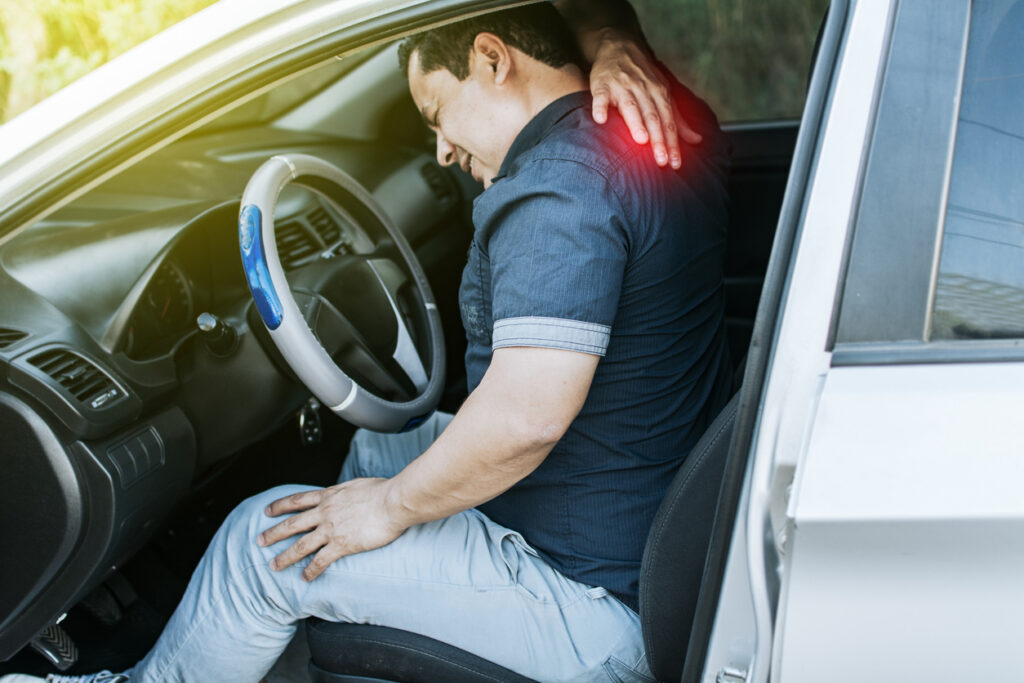
Car accident physiotherapy is a structured rehabilitation approach that uses guided movement, manual therapy, and progressive exercise to help the body recover function, mobility, and strength after a collision. It is often paired with chiropractic care and pain management as part of a coordinated recovery plan.
The hours and days after a crash can feel disorienting. You may walk away feeling shaken but mostly okay, only to notice stiffness, soreness, or restricted movement later. With nearly 6 million car accidents every single year in the United States, and nearly 2.5 million injuries sustained from those crashes (Source: crashstats.nhtsa.dot.gov), thousands of people quietly face this exact situation every day.
This guide walks through how physiotherapy may support recovery after an accident, the injuries it commonly addresses, how it works alongside chiropractic care and pain management, and what to expect when you start care at RejuvenX in Florida.
Key Takeaways
Key Takeaways
- Physiotherapy after a car accident uses guided movement, manual therapy, and targeted exercises to help restore mobility, strength, and function.
- Symptoms such as stiffness, soft tissue pain, and limited range of motion can appear days or weeks after a collision, so early evaluation is valuable.
- Physiotherapy, chiropractic care, and pain management work best as complementary parts of a coordinated recovery plan, not as competing options.
- Florida drivers must be medically evaluated within 14 days of an accident to remain eligible for Personal Injury Protection (PIP) benefits.
- RejuvenX offers integrated rehabilitation, chiropractic care, pain management, and on-site diagnostic imaging at locations across Florida.
How adrenaline blocks pain after a car accident
Adrenaline and endorphins mask pain after a car accident by triggering your body’s fight-or-flight response. This response numbs pain receptors and boosts alertness, which can delay the sensation of injuries for hours or even days. Your body releases adrenaline (also called epinephrine) to help you respond to danger, and endorphins act as natural painkillers that block pain signals from reaching your brain.
This process is called stress-induced analgesia. During a collision, your brain perceives a threat and floods your system with hormones designed to help you survive. Your heart rate increases, your senses sharpen, and your body suppresses pain so you can focus on the immediate situation rather than your injuries.
The result? Many people walk away from accidents feeling alert and relatively fine, even when they’ve sustained real damage. The injury exists, but your body isn’t letting you know about it yet.
- Adrenaline surge: Your nervous system releases adrenaline within seconds of impact, preparing your body to fight or flee.
- Endorphin release: Your brain produces endorphins that act like natural painkillers, blocking pain signals temporarily.
- Pain suppression: With pain signals blocked, you may feel shaky or alert but not injured.
- Delayed awareness: Once the hormones wear off, pain from injuries becomes noticeable.
Does adrenaline numb pain or just reduce it
Adrenaline doesn’t eliminate pain. It temporarily suppresses your awareness of it. The injury is still there; you just can’t feel its full extent yet.
Think of it like turning down the volume on a radio. The music is still playing, but you can’t hear it as clearly. Once adrenaline wears off, pain signals reach your brain normally, and you start to feel what was there all along.
This is why so many people feel significantly worse the day after an accident than they did at the scene. The injury didn’t suddenly appear overnight. Your body simply stopped blocking the signals.
How long does adrenaline last after a car accident
Adrenaline effects typically subside within minutes to a few hours after the stressful event ends. However, the timeline for when you’ll actually feel your injuries varies from person to person.
| Timeframe | What you might experience |
|---|---|
| Immediately after | Shakiness, heightened alertness, minimal pain awareness |
| Several hours later | Soreness and stiffness beginning to emerge |
| The next day | Full pain from injuries often becomes apparent |
| Several days later | Some injuries, particularly soft tissue damage, may just be surfacing |
Emotional stress and anxiety can prolong adrenaline’s effects. If you remain in a heightened state after the accident, you might not feel the full impact of your injuries until you’ve had time to calm down and rest.
Why adrenaline-masked injuries are dangerous
Feeling fine after an accident can work against you. When pain doesn’t alert you to a problem, you might delay seeking care, and that delay can have real consequences for your recovery.
Delayed treatment can lead to chronic conditions
Injuries left untreated don’t simply stay the same. Soft tissue can develop scar tissue that limits mobility. Spinal misalignments can become more difficult to correct over time. What might have been a straightforward recovery can turn into a longer, more complicated process.
Early intervention typically supports better outcomes. When your care team identifies injuries before they progress, treatment tends to be more effective.
Complications with insurance documentation
Failing to seek timely evaluation can create gaps in your medical record. Without documentation linking your injuries to the accident, you may face challenges with your insurance claim later.
In Florida, you have 14 days from the date of your accident to receive a medical evaluation to determine if you may qualify for Personal Injury Protection (PIP) benefits. Missing this deadline can affect your coverage options.
Common injuries hidden by adrenaline after a collision
Certain injuries are particularly likely to go unnoticed in the immediate aftermath of an accident. Knowing what to watch for can help you recognize problems before they become more serious.
Whiplash and neck injuries
The rapid back-and-forth motion of your head during impact can strain the muscles and ligaments in your neck. Whiplash symptoms often don’t appear until hours or days later. You might feel fine at the scene, then wake up the next morning unable to turn your head.
Soft tissue damage
Muscles, ligaments, and tendons can stretch or tear without any visible signs. Swelling and bruising develop gradually as your body’s inflammatory response kicks in. This is why you might feel fine initially and then wake up sore the next morning.
Back and spinal injuries
Herniated discs and spinal misalignment may not cause immediate pain. However, they can worsen with movement over time. What feels like minor stiffness at first can develop into significant discomfort if left unaddressed.
Concussions and traumatic brain injuries
Head injuries can occur even without losing consciousness. Cognitive symptoms like difficulty concentrating, memory problems, and sensitivity to light may emerge slowly over the following days.
Symptoms to watch for when adrenaline wears off
In the hours and days following your accident, pay attention to how your body feels. Some symptoms warrant prompt evaluation.
Neck and back pain
Stiffness, aching, or sharp pain that develops after the initial shock subsides often indicates soft tissue injury or spinal involvement. Even mild discomfort that persists deserves attention.
Headaches and dizziness
Headaches and dizziness may point to whiplash, concussion, or neck injury. If headaches persist or worsen, consider getting evaluated.
Numbness or tingling sensations
Tingling in your arms, hands, legs, or feet can signal nerve involvement or spinal issues. This type of symptom typically benefits from professional evaluation.
Stiffness and limited mobility
Difficulty turning your head, bending, or moving normally may indicate soft tissue damage. Restricted movement that doesn’t improve within a day or two is worth having checked.
Tip: Keep a simple log of any symptoms that develop after your accident, including when they started and how they’ve changed. This information helps your care team understand your condition more completely.
Why you should seek medical attention even when you feel fine
Given how effectively adrenaline can mask injuries, getting evaluated after an accident makes sense regardless of how you feel in the moment.
Early detection prevents long-term damage
A thorough evaluation can identify injuries before they develop into chronic problems. Diagnostic imaging like X-ray or MRI can reveal what you can’t feel, giving your care team the information they need to create an effective treatment plan.
At RejuvenX, we offer on-site diagnostic imaging at select locations, so you can get answers quickly without coordinating between multiple providers.
Proper documentation protects your insurance claim
Medical records from an early evaluation create a clear link between the accident and your injuries. This documentation becomes important if you file an insurance claim or work with an attorney.
Florida’s 14-day PIP evaluation requirement
Florida law requires medical evaluation within 14 days of an accident to qualify for Personal Injury Protection (PIP) benefits. Acting promptly protects both your health and your coverage options.
Start your recovery before pain becomes chronic
Feeling fine after a car accident doesn’t mean you’re uninjured. It often means adrenaline is doing its job. The best time to get evaluated is before pain forces you to seek care.
At RejuvenX, we offer same-day appointments at locations across Southwest, Central, and Southeast Florida. Our integrated care model brings together chiropractic care, pain management, physiotherapy, and on-site diagnostic imaging under one roof.
If transportation is a concern because your vehicle was damaged in the accident, we offer coordination assistance for your first visits.
Frequently asked questions about adrenaline and pain after car accidents
Adrenaline triggers your body’s fight-or-flight response, which temporarily suppresses pain signals so you can focus on immediate survival rather than injury. This is why many people feel alert and relatively pain-free immediately after an accident, even when they’ve sustained significant injuries.
Yes, delayed symptoms are common after car accidents. However, seeking medical evaluation as soon as possible helps document the connection between your injuries and the accident, which supports your claim.
Describe the accident itself, when your symptoms first appeared, and how they’ve progressed since then. This information helps your care team identify injuries that may have been masked by adrenaline and develop an appropriate treatment plan.
New symptoms can emerge anywhere from several hours to several days after an accident. As adrenaline and endorphins subside and your body’s inflammatory response develops, injuries that weren’t initially apparent often become noticeable.