
Car Accident Injury Care in Venice, FL: What to Expect After a Crash
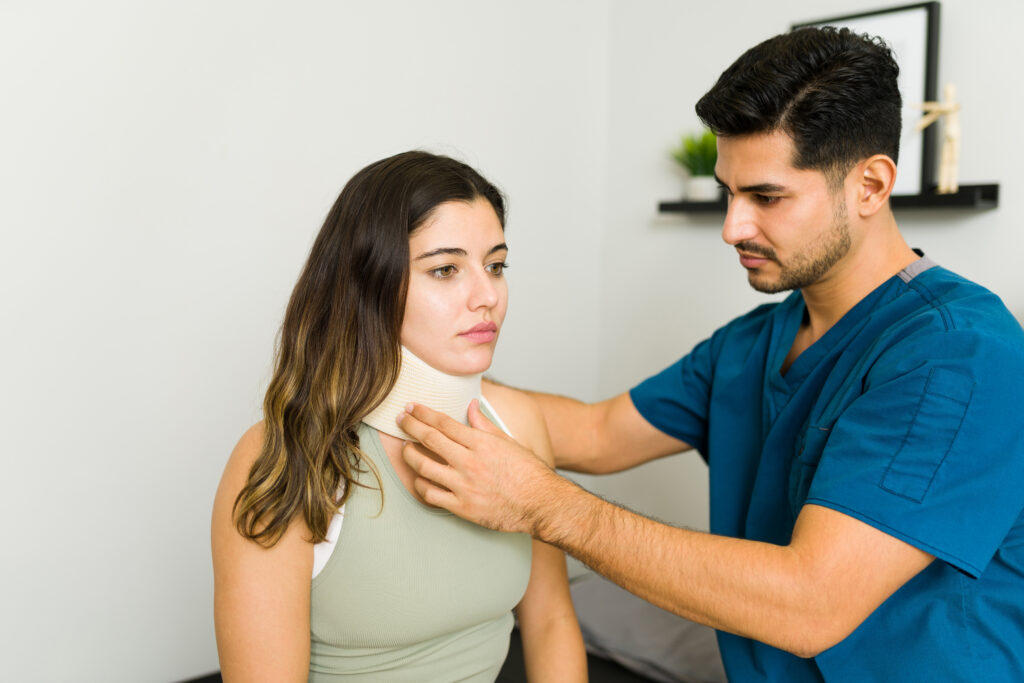
Car accident injury care in Venice, FL involves a coordinated medical evaluation, diagnostic imaging when indicated, and a personalized treatment plan that may combine chiropractic care, physiotherapy, and pain management to help patients recover after a collision.
The hours and days after a crash can feel overwhelming. You may be sore, shaken, and unsure whether to see a doctor, contact your insurance company, or wait to see how you feel. Those questions are normal, and every accident and every body is different.
This guide walks through what happens during a post-accident evaluation, how Florida’s Personal Injury Protection (PIP) rules generally work, what treatments a coordinated injury clinic may offer, and how to choose a Venice-area provider whose model actually fits your recovery.
Key Takeaways
Key Takeaways
- Seek a medical evaluation as soon as possible after a Venice-area crash, even if symptoms feel mild at first.
- Florida law generally requires an initial medical evaluation within 14 days of an auto accident to remain eligible for PIP benefits.
- A coordinated injury clinic can combine chiropractic care, physiotherapy, diagnostic imaging, and pain management under one roof.
- On-site X-ray and MRI (available at select locations) support both clinical decisions and insurance documentation.
- Look for a clinic that offers same-day appointments, insurance navigation, and transportation coordination when your car is out of service.
When Pain Shows Up After a Crash in Venice
Picture a routine drive down US-41 (Tamiami Trail) that ends with a rear-end collision near Jacaranda Boulevard, or a sudden stop on the I-75 corridor that jolts your neck forward and back. In the moments after, adrenaline can mask real injuries. You step out of the car, exchange information, and think you feel okay. Then the next morning, your neck won’t turn, your lower back locks up, or a headache settles in behind your eyes.
This pattern is common after collisions in and around Venice, Florida, and it deserves attention rather than dismissal.
Why Symptoms Are Often Delayed After a Collision
Collision forces can stretch and strain the soft tissues that support your spine, shoulders, and hips, even in lower-speed crashes. Adrenaline and cortisol released during the event can suppress pain signals for hours or even days. Inflammation builds gradually as the body responds to microtears in muscles, ligaments, and fascia. That is why a person who felt fine at the scene may wake up 48 hours later with significant neck stiffness, mid-back tightness, or radiating discomfort into an arm or leg.
Common Injuries Seen After Venice-Area Car Accidents
Among the injuries we see most often after auto accidents are whiplash, soft tissue strains and sprains, spinal misalignment, disc herniation, shoulder impingement, and post-concussive symptoms such as headaches and dizziness. Nerve irritation can produce tingling or numbness that travels away from the spine, and jaw or rib pain can appear from seatbelt contact.
The Risk of Waiting to Seek Care
Untreated soft tissue injuries can develop into chronic pain patterns, restricted range of motion, and compensatory movement habits that stress other joints. Early evaluation helps identify what is actually happening in the body, so care can begin before inflammation and guarding turn into long-term dysfunction. In Sarasota County, injury clinics experienced in treating patients after auto accidents can begin that process the same day you call.
Your First Step: A Comprehensive Medical Evaluation
A post-accident visit is not the same as a general check-up. The goal is to understand the specific mechanism of your crash, map every symptom to a possible injury, and document findings in a way that supports both your recovery and any related insurance claim.
What a Post-Accident Intake Exam Covers
During an initial evaluation, your provider will typically ask about the direction of impact, seatbelt position, headrest height, whether airbags deployed, and any loss of consciousness. From there, the exam usually includes a review of your medical history, range-of-motion measurements, palpation of the spine and surrounding musculature, and a discussion of your daily activities and pain patterns. The exam is thorough because small clues, a subtle weakness in one hand, a specific movement that reproduces pain, can point to injuries that would otherwise be missed.
On-Site Diagnostic Imaging: X-Ray and MRI
When the exam suggests a deeper look is warranted, imaging helps clarify what soft tissue and bony structures are involved. X-rays can reveal fractures and gross alignment issues, while MRI provides detailed views of discs, ligaments, and nerve roots. Learn more about the role of on-site imaging in accident care and how it may shorten the time between evaluation and treatment. Same-day imaging at select locations means fewer referrals, less driving, and faster clinical decisions.
How Documentation Supports Your Insurance Claim
Thorough documentation matters beyond the exam room. Detailed notes on mechanism of injury, objective findings, imaging results, and treatment recommendations create a clear medical record. That record supports your PIP claim, and if an attorney is involved, it provides the clinical foundation they need. Clinics experienced in Florida auto accident injury care handle this paperwork as part of the standard process, so patients are not left assembling it themselves.
Wondering whether your symptoms warrant a full evaluation?
A same-day exam can help you understand what is going on in your body and outline a plan that fits your recovery goals. When you are ready, you can reach a Venice-area care team here to schedule a visit at your pace.
Understanding Florida’s 14-Day PIP Rule
Florida is a no-fault auto insurance state, which means most drivers carry Personal Injury Protection (PIP) coverage under Florida Statute 627.736. PIP is designed to help pay for medical care after an accident regardless of who was at fault, but the state ties eligibility to a specific timeline.
What Florida PIP Coverage Generally Includes
PIP generally applies to medically necessary services related to your auto accident, which can include evaluations, diagnostic imaging, chiropractic care, physiotherapy, and pain management. Coverage details, deductibles, and benefit limits vary by policy, and only your insurer can confirm what applies to your specific plan. This section is educational and not a promise of coverage or reimbursement.
Why the 14-Day Evaluation Window Matters
Under current Florida law, an injured person generally must receive an initial medical evaluation within 14 days of the accident to remain eligible for PIP medical benefits. That window can pass quickly when someone is juggling car repairs, work, and family. Getting evaluated well before day 14 gives your care team time to establish a diagnosis, begin appropriate treatment, and document findings while they are clinically relevant.
How an Injury Clinic Can Help You Navigate the Process
Clinics that focus on auto accident recovery are familiar with the paperwork insurers request, from initial evaluation reports to ongoing treatment notes. They can coordinate directly with your insurance carrier and, if you have hired one, your attorney. That coordination lets you focus on healing rather than on chasing forms.
Chiropractic Care After a Car Accident
Many patients arrive at their first appointment unsure of what chiropractic care for accident injuries actually involves. It is not a single technique applied the same way to every patient. It is a clinical approach that starts with assessment and adapts to what your body needs at each stage of recovery.
How Collision Forces Affect Spinal Alignment
Even a moderate impact can push vertebrae out of their normal relationship with each other, irritate the small joints of the spine, and tighten surrounding muscles into protective spasm. Whiplash is the most familiar example, but similar mechanisms affect the mid-back, lower back, and pelvis. When alignment and joint motion are disrupted, nerves that exit the spine can become irritated, contributing to pain, tingling, or reduced mobility.
What Chiropractic Adjustments for Accident Injuries Involve
A chiropractic adjustment is a controlled, precise movement applied to a specific joint to restore motion and reduce mechanical stress on surrounding tissues. Adjustments for accident patients tend to be gentle, especially in early visits when tissues are still inflamed. Your provider may combine adjustments with soft tissue therapy, myofascial release, and targeted stretching to address the muscles guarding the injured area. Learn how chiropractic care fits into post-accident recovery at each stage of healing.
Chiropractic Care as Part of a Coordinated Treatment Plan
In a coordinated setting, chiropractic care is not a standalone service. It is one component of a plan that may also include physiotherapy, imaging, and physician oversight for pain management. When those services share a single medical record and a single care team, patients avoid the fragmentation of driving to separate providers who never talk to each other.
Rehabilitation and Physiotherapy: Rebuilding Strength and Mobility
Relieving pain is only the first phase of recovery. Restoring function, the ability to turn your head fully, lift a grocery bag without wincing, or sit through a workday, requires an active rehabilitation phase.
Moving from Pain Relief to Active Recovery
Early treatment often focuses on reducing inflammation and calming acute pain. As symptoms improve, the emphasis shifts toward rebuilding what the injury took away: joint stability, muscle strength, endurance, and coordinated movement. Skipping this phase is one of the most common reasons post-accident pain returns weeks or months later.
Therapeutic Techniques Used in Auto Injury Rehabilitation
A rehabilitation program may include guided stretching, resistance exercises, core stabilization drills, balance and coordination work, and modalities such as electrical muscle stimulation to ease residual spasm. Kinesio taping and manual therapy can support injured tissues as they progress through healing. Explore how therapeutic rehabilitation and physiotherapy programs are structured to build back function safely.
How Treatment Plans Adapt as You Progress
No two recoveries follow the same timeline. Your provider will reassess your progress at regular intervals, advancing exercises when you are ready and modifying the plan if pain patterns shift. The intent is a steady progression from protected movement to confident, functional activity.
Pain Management Options for Complex or Persistent Injuries
Some accident injuries do not resolve with chiropractic and rehabilitation alone. Nerve pain, significant disc involvement, and stubborn joint dysfunction sometimes call for additional support from a physician trained in pain management.
When Physician-Led Pain Management May Be Considered
If pain remains severe, radiates persistently into a limb, or interferes with sleep and daily function despite conservative care, your team may recommend a pain management consultation. A physician can review imaging, perform additional exams, and discuss options that may complement the care you are already receiving.
Non-Opioid Care Approaches in an Integrated Setting
Modern pain management includes a range of non-opioid care options that may be considered when clinically appropriate, from targeted injections to advanced modalities and medication strategies focused on inflammation and nerve sensitivity. The goal is to reduce pain enough that active rehabilitation can continue.
Coordinating Pain Management with Chiropractic and Rehab
When chiropractors, therapists, and pain management physicians share notes and a treatment plan, patients experience fewer conflicting recommendations and less duplication of care. That coordination is one of the practical benefits of a multidisciplinary clinic model.
What to Look for in a Venice-Area Accident Injury Clinic
Not all injury clinics are structured the same way. Some are single-provider offices that refer out for imaging and rehabilitation. Others bring services together under one roof so patients move through a coordinated plan without gaps.
Multidisciplinary Care Under One Roof
A multidisciplinary clinic combines chiropractic care, physiotherapy, pain management, and diagnostic imaging in a shared setting with a shared record. That structure supports faster clinical decisions, fewer missed appointments, and a treatment plan that adapts as one team, not several. RejuvenX has more than two decades of experience with this model and serves patients across Sarasota County and surrounding areas.
How Injury Clinic Models Compare
| Feature | Single-Provider Office | Coordinated Injury Clinic |
|---|---|---|
| Evaluation and imaging | Often referred out | Frequently on-site |
| Chiropractic, rehab, and pain management | Separate providers | Shared care team |
| Insurance documentation | Patient often coordinates | Handled by clinic staff |
| Scheduling | Standard business hours | Same-day, evening, and weekend options often available |
Same-Day Appointments and Accessible Scheduling
After a crash, waiting a week for a first appointment can push you against the 14-day PIP window and delay treatment when it matters most. Clinics that offer same-day or next-day appointments, along with evening and weekend availability, remove a major barrier to timely care. Transportation coordination for patients whose vehicles are out of service is another practical feature worth asking about.
Insurance Navigation and Documentation Support
A well-organized clinic manages the paperwork side of accident care as carefully as the clinical side. Look for a team that communicates directly with your insurance company, prepares thorough medical documentation, and, if applicable, works cooperatively with your attorney. That behind-the-scenes work protects your ability to focus on recovery.
Talk with a Venice-Area Care Team
If you were recently in a crash and are unsure what to do next, a conversation with an experienced injury care team can help you understand your options and outline a plan that fits your body and your schedule. RejuvenX welcomes patients across Venice and Sarasota County with same-day and next-day appointments. When you are ready, connect with our team here to take the first step at your pace.
Frequently Asked Questions
You should seek a medical evaluation as soon as possible after a car accident, ideally within a few days of the crash. Florida law generally requires an initial evaluation within 14 days of the accident to remain eligible for Personal Injury Protection (PIP) benefits. Early evaluation also helps identify soft tissue injuries and other conditions before inflammation and guarding lead to longer-term problems.
Yes, an evaluation is still a good idea even if you feel fine immediately after a crash. Adrenaline and inflammation can mask symptoms for hours or days, and injuries such as whiplash, soft tissue strains, and disc irritation often become noticeable later. A thorough exam can identify issues early so appropriate care can begin before small problems become chronic ones.
Florida PIP generally applies to medically necessary services related to an auto accident, which can include evaluations, imaging, chiropractic care, physiotherapy, and pain management. Coverage details, deductibles, and benefit limits vary by policy, and only your insurance carrier can confirm what applies to your specific plan. Clinics experienced in Florida auto accident care can help coordinate documentation with your insurer as part of their standard process.
policy details and explain how billing works before treatment begins.
A chiropractor focuses on spinal alignment, joint motion, and soft tissue function, often using adjustments, manual therapy, and rehabilitation exercises. A pain management physician is a medical doctor who evaluates and treats complex or persistent pain, and may use targeted injections, medications, and other advanced interventions when clinically appropriate. In a coordinated injury clinic, these providers work together on a single plan rather than treating patients in isolation.
Recovery timelines vary based on the type and severity of the injury, overall health, and how consistently a patient follows the treatment plan. Some patients notice meaningful improvement within a few weeks of care, while more involved injuries may require several months of coordinated treatment. Your provider will personalize the plan and reassess progress at regular intervals so care can adapt as you heal.
Yes, many accident injury clinics understand that patients often lose access to their vehicles after a crash. RejuvenX offers transportation coordination so appointments can continue without interruption. When scheduling your first visit, ask what transportation support is available for your situation.