
Common Hand Injuries from Auto Accidents and Treatment Options in Florida
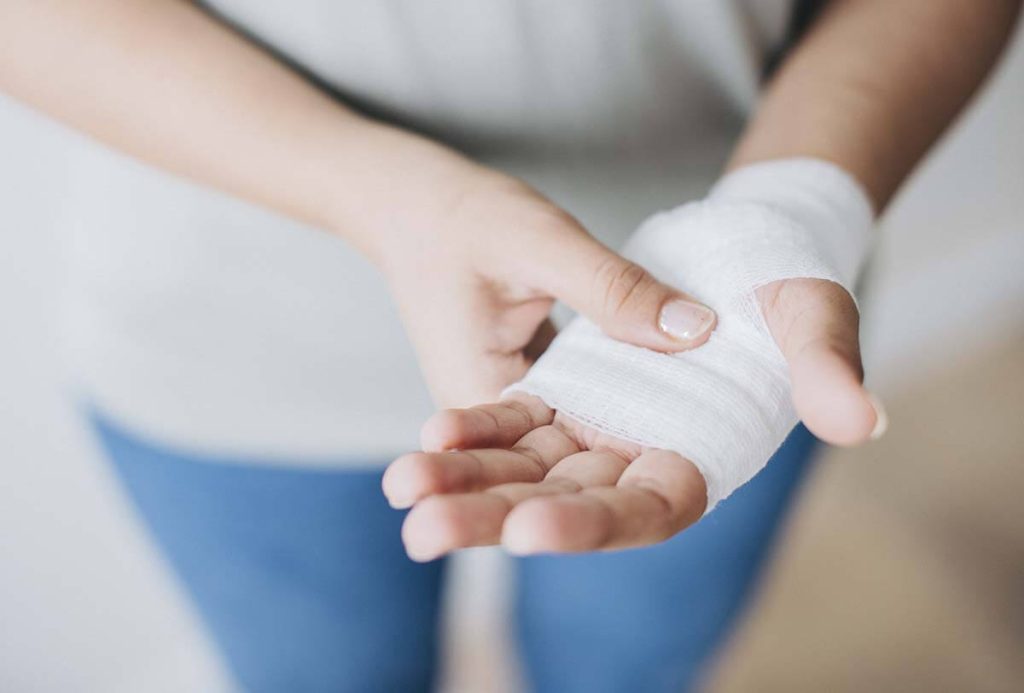
Your hands take the first hit in a car accident. When you see a collision coming, your instinct is to grip the steering wheel tighter or brace against the dashboard, and that puts your hands directly in the path of impact forces your body wasn’t designed to absorb.
The tricky part is that hand injuries don’t always announce themselves right away. You might walk away from the scene feeling fine, only to notice pain, stiffness, or numbness developing over the next few days. This guide covers the most common hand injuries from auto accidents, the symptoms to watch for, and the treatment options available at RejuvenX locations across Florida.
Common Types of Hand & Wrist Injuries from Car Accidents
Hand injuries from auto accidents often happen when you grip the steering wheel during impact or brace against the dashboard. The most common injuries include fractures in the fingers and knuckles, ligament tears and sprains, joint dislocations, tendon damage, and nerve injuries that cause numbness or tingling. Treatment typically starts with rest, ice, compression, and elevation (RICE), then progresses to splinting, physiotherapy, and in more severe cases, surgery.
Your hand has 27 bones, 29 joints, and over 100 ligaments working together. That complexity is what gives your hand such remarkable dexterity, but it also means there are many structures that can be damaged in a collision.
Fractures & Broken Bones
A fracture is a break in one or more bones. In car accidents, hand fractures usually happen when your hand strikes the steering wheel, hits the dashboard, or absorbs force from an airbag.
The most common types include:
- Metacarpal fractures: Breaks in the long bones of your palm, sometimes called “boxer’s fractures” when they occur near the knuckle
- Phalangeal fractures: Breaks in the finger bones, which can range from small cracks to more complex breaks involving the joint
- Scaphoid fractures: Breaks in a small wrist bone near the thumb, which are often missed on initial X-rays because the bone is difficult to see clearly
You might have a fracture if you notice sharp pain that gets worse when you move or press on the area, visible crookedness in a finger, rapid swelling, or difficulty making a fist.
Sprains & Ligament Tears
A sprain happens when ligaments stretch or tear beyond their normal range. Ligaments are the tough bands of tissue that connect bones at joints and keep them stable. During a car accident, sprains typically occur when you brace for impact and your wrist bends suddenly in an awkward direction.
With a sprain, you’ll often notice pain that increases when you move your wrist, swelling that builds over several hours, and a sense that your wrist feels loose or unstable when you try to grip something. Many people assume sprains are minor injuries, but untreated ligament damage can lead to long-term wrist instability and weakness.
Dislocations
A dislocation occurs when the bones at a joint are forced out of their normal position. The small joints in your fingers are particularly vulnerable during collisions, especially if you’re gripping the steering wheel tightly when impact occurs.
The signs are usually obvious: the finger looks crooked or out of place, there’s severe pain at the joint, and you can’t move the affected finger normally. If you suspect a dislocation, don’t try to pop it back into place yourself. Doing so without proper training can damage the nerves and blood vessels around the joint.
Tendon Injuries
Tendons are the cord-like structures that connect your muscles to your bones. They’re what allow your fingers to bend, straighten, and grip. The sudden force of a car accident can stretch or tear tendons, either partially or completely.
Signs of tendon damage include:
- Inability to bend or straighten a specific finger
- Noticeable weakness when you try to grip or pinch
- A visible gap or indentation where the tendon has pulled away
Complete tendon tears generally require surgical repair because the torn ends can’t reconnect on their own. Partial tears, on the other hand, often heal with immobilization and rehabilitation.
Nerve Damage & Numbness
Nerve injuries happen when the nerves in your hand or wrist are compressed, stretched, or cut during impact. Your hand has three major nerves, and each one controls sensation and movement in different areas.
| Nerve | Area Affected | Common Symptoms |
|---|---|---|
| Median | Thumb, index, middle finger | Numbness, tingling, weak grip |
| Ulnar | Pinky and ring finger | Tingling, difficulty gripping |
| Radial | Back of hand | Trouble extending wrist or fingers |
The longer a nerve stays compressed or damaged, the higher the risk of permanent problems. That’s why early evaluation matters, even if numbness or tingling seems mild at first.
Symptoms That Appear After a Car Accident
Some symptoms show up right away, while others take 24 to 72 hours to develop as inflammation builds. Immediate warning signs like sharp pain, visible deformity, and rapid swelling usually point to a more serious injury that warrants prompt attention.
Delayed symptoms are common too. You might notice stiffness that wasn’t there the day of the accident, numbness or tingling that develops gradually, weakness when gripping that you didn’t have before, or pain that gets worse instead of better over time.
Tip: Even mild or delayed symptoms are worth getting checked, especially since Florida’s 14-day PIP deadline affects your insurance coverage.
Why Hand Pain Can Appear Days Later
It’s not unusual to feel fine right after an accident, then wake up a few days later with significant hand pain. There’s a straightforward explanation for this.
When something traumatic happens, your body releases adrenaline. That adrenaline temporarily blocks pain signals, which is helpful in an emergency but can mask injuries. Once your adrenaline levels return to normal, usually within a day or two, you start feeling what was there all along.
Inflammation also plays a role. When ligaments are stretched or soft tissues are bruised, your body sends fluid to the injured area as part of the healing process. That swelling builds gradually and can compress nerves, creating new symptoms that weren’t present right after the collision.
Treatment Options for Hand Injuries
Most hand injuries from car accidents heal well with the right care. The key is getting treatment that addresses the full picture, not just the immediate pain, but also the underlying damage and the rehabilitation needed to restore normal function.
Chiropractic Care for Hand & Wrist Alignment
Chiropractic care isn’t just for backs and necks. Chiropractors trained in extremity work can help with hand and wrist injuries too. Gentle, precise adjustments restore proper joint positioning, which can relieve nerve compression and improve blood flow to injured tissues.
One benefit of chiropractic care is that it offers pain relief without medication. For patients who prefer to avoid pharmaceuticals or who are concerned about side effects, this approach provides an alternative path to recovery.
Physiotherapy & Rehabilitation
Physiotherapy focuses on rebuilding the strength, flexibility, and coordination you need to use your hand normally again. A typical rehabilitation program moves through phases as you heal:
- Early phase: Gentle range-of-motion exercises that prevent stiffness while tissues are still healing
- Middle phase: Progressive resistance exercises that rebuild grip strength and finger control
- Advanced phase: Functional exercises that mimic your daily activities, whether that’s typing, cooking, or caring for your family
Your physiotherapist may also use manual therapy, which involves hands-on work to break up scar tissue, release tight muscles, and improve how your joints move.
Pain Management Techniques
Managing pain effectively isn’t just about comfort. When pain is under control, you’re better able to participate in the rehabilitation exercises that lead to full recovery.
At RejuvenX, pain management options include:
- Electrical Muscle Stimulation (EMS): Uses gentle electrical impulses to interrupt pain signals and reduce muscle spasms
- Soft tissue therapy: Hands-on work that releases tension and improves circulation to injured areas
- Myofascial release: A technique that addresses restrictions in the connective tissue surrounding muscles
Our approach prioritizes non-pharmaceutical methods, which helps you avoid medication side effects while still addressing the source of your pain.
When Surgery May Be Necessary
Most hand injuries heal with conservative treatment, but some do require surgery. Complete tendon tears, displaced fractures where bone fragments have shifted out of alignment, and severe nerve compression may need surgical repair to restore full function.
When surgery is indicated, RejuvenX coordinates referrals to trusted hand specialists and provides post-surgical rehabilitation to support your recovery through every phase.
Can Carpal Tunnel Be Caused by a Car Accident
Yes. While carpal tunnel syndrome is usually associated with repetitive motions like typing, the trauma from a car accident can trigger or worsen the condition.
Carpal tunnel syndrome occurs when the median nerve gets compressed as it passes through a narrow space in your wrist called the carpal tunnel. In an accident, the impact can cause swelling that puts pressure on this nerve.
Symptoms include numbness in your thumb, index, and middle fingers, weakness when gripping, and pain that often gets worse at night. With early treatment, including splinting, chiropractic adjustments, and physiotherapy, many people find relief without needing surgery.
Florida’s 14-Day PIP Deadline & Your Hand Injury
Florida law requires you to get a medical evaluation within 14 days of your accident to qualify for Personal Injury Protection (PIP) benefits. If you wait longer than that, you may lose insurance coverage for treatment.
RejuvenX offers same-day appointments and works directly with insurance providers to handle documentation and billing. Our team understands Florida’s auto insurance requirements and helps you meet critical deadlines so you can focus on getting better.
Frequently Asked Questions
Recovery time depends on the type and severity of the injury. Minor sprains often improve within a few weeks. Fractures typically take six to eight weeks to heal. More complex injuries involving tendons or nerves may require several months of rehabilitation.
A normal X-ray doesn’t rule out soft tissue injuries, ligament tears, or nerve damage. X-rays only show bones, so injuries to other structures won’t appear. If you have ongoing pain, further evaluation with an MRI or a specialist exam can help identify the problem.
RICE (rest, ice, compression, elevation) can help manage initial symptoms, but it’s not a substitute for professional evaluation. Some injuries get worse without proper treatment, and what feels minor at first can turn into a chronic problem if the underlying damage isn’t addressed.
Begin Your Recovery Today
If you’re dealing with hand pain after a car accident, RejuvenX offers comprehensive evaluation and treatment at locations across Florida. Our integrated approach brings chiropractic care, physiotherapy, and pain management together in one place, so your care team can coordinate your treatment from start to finish.
Same-day and next-day appointments are available to help you meet Florida’s PIP deadline and start healing quickly.