
Core Stabilization Techniques for Post-Accident Rehabilitation
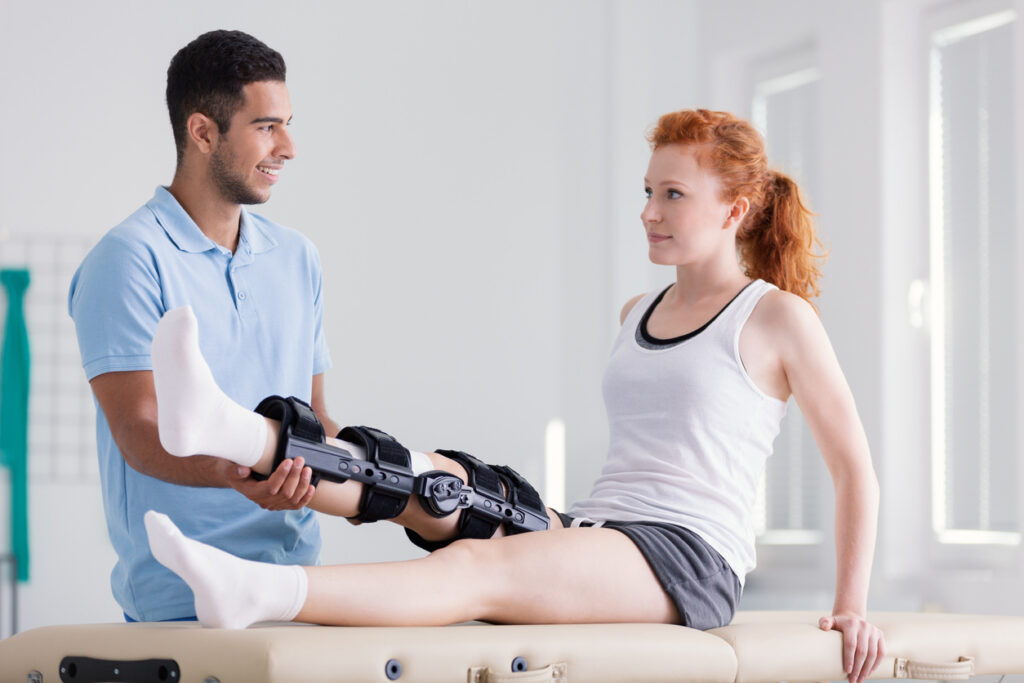
A car accident can leave your spine vulnerable in ways that aren’t immediately obvious. Even when the initial pain fades, weakened core muscles often struggle to support your back properly, leading to lingering discomfort and movement limitations that affect your daily life.
Core stabilization exercises retrain the deep muscles around your spine, pelvis, and abdomen to work together again. This guide covers the techniques, exercises, and progression phases that help restore stability after an auto accident injury.
Key Takeaways
Key Takeaways
- Core stabilization exercises help retrain the deep muscles around the spine, pelvis, and abdomen that support posture, movement, and spinal control after a car accident.
- Collision forces may disrupt normal muscle activation, leading to guarding, weakness, muscle imbalance, or movement patterns that contribute to lingering discomfort.
- Core stabilization may help support pain management, mobility, spinal alignment, posture, and a safer return to daily activities as part of post-accident rehabilitation.
- Rehabilitation may include guided exercises such as pelvic tilts, bridges, bird-dogs, dead bugs, modified planks, and functional movement training.
- Core stability training is typically introduced in phases, beginning with gentle activation and progressing toward strength, endurance, and dynamic movement as tolerated.
- Under Florida law, individuals involved in an auto accident generally need an initial evaluation within 14 days to maintain PIP eligibility under Florida auto insurance.
Why Core Stabilization Matters After a Car Accident
Core stabilization retrains the deep abdominal and back muscles that act as a natural brace for your spine. After a car accident, the sudden impact can disrupt how your muscles work together, even if you don’t feel immediate pain. Your body often responds by “guarding” certain areas, which leads to muscle imbalances and compensatory movement patterns that cause lingering discomfort.
The muscles involved in core stability include the transverse abdominis (the deepest abdominal layer), the multifidus (small muscles along your spine), and the pelvic floor. Unlike the muscles you see in the mirror, core stabilizers work quietly in the background to keep your spine steady during everyday movements like bending, reaching, or sitting.
When core stabilizers aren’t functioning properly, other injuries tend to heal more slowly. Your spine lacks the support it requires, which can lead to recurring back pain, poor posture, and a higher risk of reinjury. For this reason, core stabilization is a foundational part of post-accident rehabilitation rather than an afterthought.
Benefits of Core Stabilization for Auto Accident Recovery
Rebuilding core stability offers several meaningful benefits during recovery. While every patient’s experience is different, here’s what core stabilization training typically helps address.
Pain Reduction & Muscle Tension Relief
When your deep stabilizers engage properly, they take pressure off injured structures like discs, joints, and strained muscles. As a result, the compensatory tension that builds up when your body tries to protect itself after trauma often decreases.
Improved Mobility & Range of Motion
A stable core creates a secure foundation for your arms and legs to move freely. Many patients notice that once their core is functioning well, movements that felt restricted before, like turning to check a blind spot, become easier and more comfortable.
Spinal Alignment & Posture Support
Core stability and spinal alignment go hand in hand. Strong stabilizing muscles help maintain a neutral spine position, which supports the effectiveness of chiropractic adjustments and reduces strain on your back throughout the day.
Injury Prevention & Long-Term Protection
A well-trained core protects you going forward. Patients who complete core stabilization programs often experience fewer flare-ups and feel more confident returning to physical activities without fear of reinjury.
Faster Return to Daily Activities
The ultimate goal is getting back to your life, whether that means driving, working, or caring for your family. Core stability training helps bridge the gap between feeling injured and feeling functional again.
Professional Core Stabilization Techniques in Rehabilitation
Your care team uses several clinical approaches to help restore core function. Provider-administered treatments work alongside the exercises you’ll learn to do on your own, creating a more complete rehabilitation program.
Electrical Muscle Stimulation for Core Activation
Electrical Muscle Stimulation (EMS) uses gentle electrical impulses to activate muscles that may have “shut off” after injury. EMS is particularly helpful early in recovery when patients have difficulty engaging their deep stabilizers voluntarily. The treatment helps re-educate muscles so they respond properly during movement.
Manual Therapy & Myofascial Release
Myofascial release is a hands-on approach where your provider applies sustained pressure to tight connective tissue (fascia) surrounding your muscles. When fascia around the core is restricted, it can prevent proper muscle activation. Releasing restrictions allows your stabilizers to engage more effectively during exercise and daily activities.
Kinesio Taping for Stabilization Support
Therapeutic taping provides external support and sensory feedback during movement. The tape gently reminds your body to maintain proper core engagement, which can be especially helpful as you transition from supervised sessions to daily activities at home.
Guided Resistance Training
Supervised strengthening using resistance bands, cables, or body weight ensures you’re building stability with proper form. Your provider watches for compensation patterns and adjusts exercises to match your current abilities, helping prevent setbacks during recovery.
Core Stabilization Exercises for Post-Accident Rehabilitation
The following exercises are commonly prescribed in therapeutic rehabilitation programs. While we’ve described each one briefly, performing them under the guidance of your care team is best, especially in the early stages of recovery.
Pelvic Tilts
Pelvic tilts teach you to engage your deep core muscles while lying on your back with knees bent. By flattening your lower back against the floor and holding briefly, you begin to reconnect with muscles that may have become inactive after your accident. This exercise is often the starting point in rehabilitation.
Bridge Exercise
Bridges strengthen your glutes and lower back while training core stability. You’ll lift your hips toward the ceiling while keeping your core engaged, then lower slowly with control. As you progress, your provider may introduce single-leg variations to increase the challenge.
Bird-Dog
Starting on all fours, you extend one arm forward and the opposite leg back while keeping your spine neutral. Bird-dogs build coordination between your limbs and core, a skill that’s essential for everyday movements like walking and reaching.
Dead Bug
Lying on your back, you alternate arm and leg movements while pressing your lower back into the floor. Dead bugs train anti-extension control, meaning your core learns to resist arching when your limbs are moving. This translates directly to activities like lifting and carrying.
Modified Plank
Planks build endurance in your stabilizing muscles. Most patients start from their knees before progressing to a full plank position. The focus is on maintaining a straight line from head to knees (or heels) without letting your hips sag or pike up.
Quadruped Arm & Leg Raises
Similar to the bird-dog but with isolated movements, quadruped raises emphasize maintaining a neutral spine throughout. Providers often use this exercise to refine control before progressing to more dynamic movements.
Tip: Slow, controlled movements with proper form are far more effective than quick repetitions. Quality matters more than quantity in core stabilization.
How Core Stability Training Progresses During Recovery
Rehabilitation follows a structured progression, so you won’t start with advanced exercises on day one. Understanding this progression helps set realistic expectations and highlights why professional guidance matters throughout your recovery.
| Phase | Focus | Example Activities |
|---|---|---|
| Initial | Gentle activation and breathing | Pelvic tilts, diaphragmatic breathing |
| Intermediate | Strength and endurance | Bridges, modified planks, dead bugs |
| Advanced | Dynamic stability and function | Balance training, functional movements |
1. Initial phase with gentle activation
The first phase focuses on relearning how to engage your deep stabilizers without pain. Breathing exercises and subtle contractions help you reconnect with muscles that may have become inhibited after the accident. Your provider may use EMS to assist activation during this stage.
2. Building strength and endurance
Once you can activate your core reliably, the focus shifts to progressive loading. You’ll hold positions longer, add resistance, and build the tolerance needed for daily activities. Exercises like bridges, dead bugs, and modified planks are common during this phase.
3. Dynamic stability and functional movement
The final phase integrates core stability into real-world movements such as bending, lifting, twisting, and carrying. This phase prepares you to return to normal activities with confidence and reduces your risk of reinjury.
When to Start Core Stabilization After Your Accident
Timing varies based on your specific injuries, which is why an individualized assessment is so important. Generally, gentle stabilization exercises can begin within a few weeks of your accident, once initial inflammation has subsided and your provider clears you for active rehabilitation.
In Florida, you’re required to be evaluated within 14 days of your accident to qualify for Personal Injury Protection (PIP) coverage. Seeking care promptly allows your team to assess your injuries, begin appropriate treatment, and determine the right time to introduce core stabilization exercises into your program.
How Your Care Team Assesses Core Stability
Before designing your rehabilitation program, your provider evaluates how well your core is functioning. This assessment helps identify specific weaknesses or dysfunction that your treatment plan will address.
- Muscle recruitment tests: Checking whether your deep stabilizers activate properly when cued
- Strength and endurance assessments: Timed holds and functional tests to measure current capacity
- Functional movement screening: Observing how you move during activities like walking, bending, or reaching
- Diagnostic imaging: X-rays or MRI at select locations to rule out structural injuries before beginning exercises
This evaluation ensures your program targets the right areas and progresses at an appropriate pace for your recovery.
Start Your Core Stabilization Program with Comprehensive Auto Accident Care
Core stabilization is most effective when it’s part of a coordinated care plan. At RejuvenX, your rehabilitation program integrates with chiropractic care, pain management, and diagnostic imaging, all under one roof. Your providers communicate with each other, so every aspect of your recovery works together.
- Same-day and weekend appointments available across Florida
- Transportation assistance for patients whose vehicles were damaged
- On-site X-ray and MRI at select locations
- One care team managing your complete recovery journey
Frequently Asked Questions About Core Stabilization After a Car Accident
Recovery time varies based on injury severity and how consistently you participate in your rehabilitation program. Many patients notice improved stability within several weeks of beginning guided exercises, though complete recovery may take longer depending on your starting point and the extent of your injuries.
Core stabilization exercises performed as part of physiotherapy or therapeutic rehabilitation are typically covered under Florida’s no-fault PIP insurance when properly documented. RejuvenX works directly with insurance providers to handle documentation and billing on your behalf.
Your care team may prescribe home exercises as you progress through your program. However, initial training is best performed under supervision to ensure proper form and prevent compensation patterns that could slow your recovery or cause additional strain.
Core strengthening builds muscle power through movement, like sit-ups or crunches. Core stabilization, on the other hand, trains your muscles to hold your spine steady during activity. Both are important for complete recovery, but stabilization typically comes first in post-accident rehabilitation because it establishes the foundation for safe strengthening later.