
Common Soft Tissue Injuries From Car Accidents: Diagnosis & Treatment
The pain from a car accident doesn’t always show up right away. You might walk away from a collision feeling fine, only to wake up the next morning with a stiff neck, aching back, or muscles that hurt to move.
These delayed symptoms often point to soft tissue injuries—damage to the muscles, tendons, and ligaments that won’t appear on a standard X-ray but can significantly affect your daily life if left untreated. This guide covers the most common soft tissue injuries after car accidents, how they’re diagnosed, and the treatment options that support complete recovery.
What Are Soft Tissue Injuries
Soft tissue injuries include whiplash, sprains, strains, and contusions caused by the sudden force of a car accident. Unlike broken bones, soft tissue injuries affect the muscles, ligaments, and tendons that support your body and allow you to move. Pain, swelling, and reduced mobility from soft tissue damage often take 24 to 72 hours to fully appear, which is why many people feel fine right after a collision and then wake up stiff and sore the next day.
Your body’s soft tissues include:
- Muscles: Tissue that powers movement and stabilizes your joints
- Tendons: Fibers connecting muscles to bones
- Ligaments: Bands connecting bones to other bones at joints
- Fascia: Thin tissue surrounding muscles and organs
When a collision damages any of these structures, the result is a soft tissue injury. Because soft tissue doesn’t show up on standard X-rays, injuries to muscles, tendons, and ligaments are sometimes overlooked or dismissed as minor when they actually require treatment.
How Car Accidents Cause Soft Tissue Injuries
Even a low-speed collision generates enough force to damage muscles, tendons, and ligaments. The sudden stop or change in direction places stress on your body that soft tissues often can’t absorb without injury.
Sudden Impact & Whiplash Forces
In a rear-end collision, your head and neck whip rapidly backward and then forward. This motion stretches the muscles and ligaments in your cervical spine beyond their normal range, causing whiplash. While rear-end crashes are the most common cause, whiplash can happen in any type of collision.
Direct Trauma From a Collision
Your body may also strike the steering wheel, dashboard, seatbelt, or door during impact. This direct contact causes contusions (deep bruising) and can damage underlying soft tissue even when the skin looks fine.
Why Your Body May Hurt Days After an Accident
Adrenaline masks pain immediately after a collision, and inflammation takes time to build. As a result, soft tissue injury symptoms commonly appear 24 to 72 hours after the accident. If you felt okay at the scene but now feel stiff or sore, that delayed pain is a sign your body absorbed more impact than you initially realized.
Common Types of Soft Tissue Injuries After a Car Accident
Car accidents can damage soft tissue throughout your body. Here are the injuries providers see most often.
Whiplash & Neck Injuries
Whiplash is a neck strain or sprain caused by rapid back-and-forth motion of the head. It affects the muscles, ligaments, and sometimes the discs in your cervical spine. Symptoms include neck pain, stiffness, headaches, and difficulty turning your head.
Back Pain & Spinal Soft Tissue Damage
The muscles and ligaments supporting your spine are vulnerable during a collision. Lumbar strains (lower back), thoracic strains (mid-back), and paraspinal muscle injuries are all common after car accidents.
Muscle Strains After a Car Accident
A strain happens when muscle fibers are overstretched or torn. The neck, shoulders, and lower back are common areas for strains because these muscles absorb much of the impact force during a crash.
Sprains & Ligament Injuries
A sprain involves stretched or torn ligaments at a joint. Wrists, knees, and ankles are frequently affected when you brace for impact or your body is thrown against the vehicle interior.
Muscle Spasms After a Car Accident
Muscle spasms are involuntary contractions that occur as your body’s protective response to injury. They’re common in the neck and back following a collision and can cause significant discomfort along with restricted movement.
Contusions & Deep Bruising
A contusion is a bruise caused by direct impact. Surface bruises heal quickly, but deep tissue contusions can affect muscle function and cause lasting pain if left untreated.
Symptoms of a Soft Tissue Injury After a Car Accident
Recognizing the signs of a soft tissue injury helps you seek care before the condition worsens. Symptoms may appear right away or develop over hours and days.
- Pain and tenderness: Localized or radiating discomfort in the affected area
- Swelling: Visible or felt around injured muscles, joints, or ligaments
- Stiffness: Reduced range of motion, especially in the morning
- Bruising: Discoloration from blood vessel damage beneath the skin
- Muscle spasms: Involuntary tightening or cramping
- Weakness: Difficulty using the affected body part normally
- Referred pain: Discomfort felt in areas away from the actual injury site
If your body is sore after a car accident, even if the soreness seems minor, a professional evaluation can identify injuries that might otherwise go undetected.
Diagnosing Soft Tissue Injuries After a Car Accident
Proper diagnosis matters because soft tissue injuries require different evaluation methods than fractures. Your provider will use a combination of clinical examination and, when needed, imaging.
Physical Examination & Range of Motion Testing
During your exam, your provider will palpate (feel) the injured area, assess your range of motion, test muscle strength, and check for neurological signs like numbness or tingling. This hands-on evaluation identifies which structures are affected and how severely.
Diagnostic Imaging for Soft Tissue Injuries
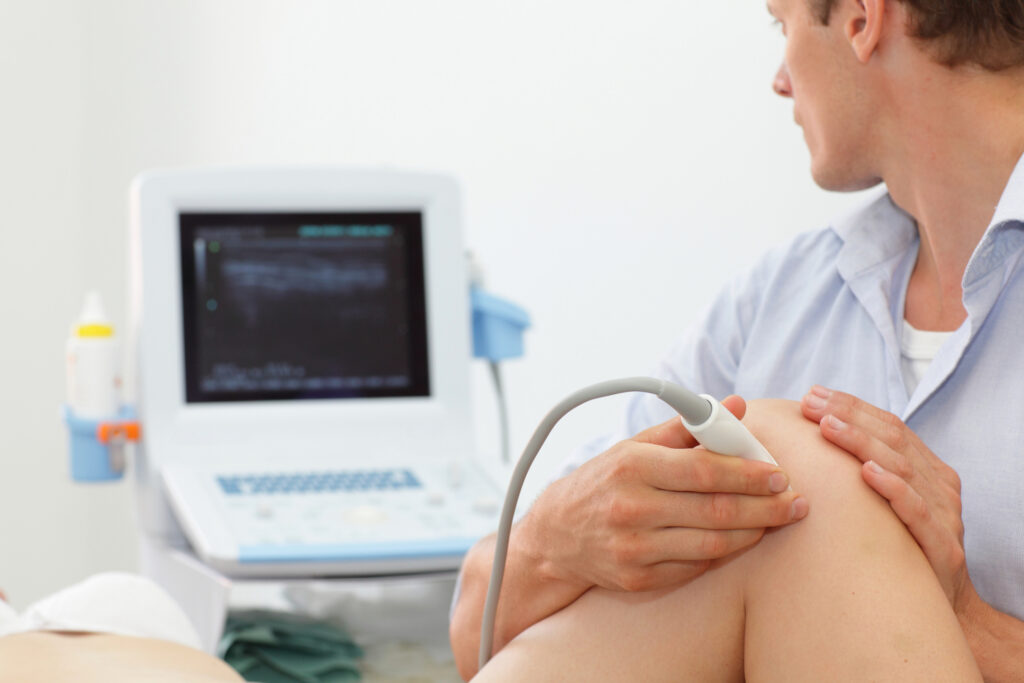
MRI is the primary imaging tool for visualizing soft tissue damage. It provides detailed images of muscles, tendons, and ligaments that other imaging methods can’t capture. Ultrasound is another option for certain injuries, particularly when real-time imaging helps guide treatment.
Why X-Rays May Not Show Soft Tissue Damage
X-rays detect fractures but don’t reveal muscles, tendons, or ligaments. If you’re hurt after a car accident and your X-rays appear normal, that doesn’t mean you’re injury-free. It means additional evaluation or imaging may be necessary to find the source of your pain.
Treatment for Soft Tissue Injuries From a Car Accident
Treatment depends on the type and severity of your injury. Early intervention typically supports better outcomes and helps prevent chronic pain from developing.
Chiropractic Care for Soft Tissue Injuries
Chiropractic adjustments restore spinal alignment, relieve pressure on soft tissues, and improve mobility. Gentle adjustment techniques appropriate for post-accident care address misalignments that contribute to pain and restricted movement.
Physical Therapy & Therapeutic Rehabilitation
Rehabilitation programs combine manual therapy, guided stretching, and strengthening exercises to restore function. Your treatment plan adapts as you progress through recovery.
- Manual therapy and soft tissue mobilization
- Guided stretching to restore flexibility
- Strengthening exercises for injured muscle groups
- Balance and coordination training
Pain Management for Musculoskeletal Injuries
For musculoskeletal pain after a car accident, non-surgical interventions can provide relief. Options may include targeted injections and medication management under physician guidance when appropriate.
Advanced Soft Tissue Treatment Techniques
Additional treatment methods can support your recovery:
- Electrical Muscle Stimulation (EMS): Eases muscle spasms and promotes healing
- Myofascial release: Relieves tightness in the fascia surrounding muscles
- Kinesio taping: Supports injured areas during activity and recovery
Long-Term Recovery From Soft Tissue Injuries
Understanding what to expect during recovery helps you stay on track and avoid setbacks.
Soft tissue healing generally progresses through three phases: inflammation (the first few days), repair (weeks one through six), and remodeling (which can continue for months). Recovery timelines vary based on injury severity and treatment consistency.
Returning to normal activities too quickly can reinjure healing tissue. Your care team will guide you through a gradual return to daily activities, work, and exercise. Completing your prescribed treatment plan, even after you start feeling better, helps prevent chronic pain and long-term complications.
Risks of Not Treating Soft Tissue Injuries After a Car Accident
Untreated soft tissue injuries don’t always resolve on their own. Without proper care, you may experience:
- Chronic pain: Persistent discomfort that limits daily activities
- Reduced mobility: Scar tissue and stiffness restricting movement long-term
- Compensatory injuries: Other body parts becoming strained from altered movement patterns
- Delayed healing: Inflammation and damage worsening without intervention
When to See a Doctor if You Are Hurt After a Car Accident
Even if your pain seems minor, professional evaluation helps identify injuries that may not be immediately obvious. In Florida, evaluation within 14 days of your accident also preserves your Personal Injury Protection (PIP) insurance benefits.
Seek care promptly if you experience:
- Severe or worsening pain
- Numbness or tingling in your arms or legs
- Difficulty moving a limb or joint
- Headaches, dizziness, or confusion
- Pain that disrupts sleep or daily function
Soft Tissue Injury Treatment at RejuvenX
RejuvenX provides comprehensive care for soft tissue injuries after auto accidents at locations across Florida. Our integrated approach brings chiropractic care, physiotherapy, pain management, and diagnostic imaging together under one roof, so you don’t have to coordinate between multiple providers.
- Comprehensive evaluation and personalized treatment plans
- Chiropractic care, physiotherapy, and pain management in one location
- On-site diagnostic imaging including MRI at select locations
- Same-day and evening/weekend appointments available
- Assistance with insurance paperwork and medical documentation
FAQs About Soft Tissue Injuries After Car Accidents
Recovery time depends on the injury type and severity, but most soft tissue injuries improve within several weeks to a few months with proper treatment. More severe injuries may require longer rehabilitation.
In Florida, auto accident injuries are typically covered under Personal Injury Protection (PIP) insurance, which requires evaluation within 14 days of your accident to qualify. Your care team can help coordinate with your insurance provider.
A strain involves stretched or torn muscles or tendons, while a sprain involves stretched or torn ligaments that connect bones at a joint. Both are soft tissue injuries that commonly occur in car accidents.
Without proper treatment, soft tissue injuries can lead to chronic pain, scar tissue formation, and lasting mobility limitations. Early evaluation and consistent treatment help prevent long-term complications.
Persistent soreness weeks after an accident may indicate an undiagnosed or undertreated soft tissue injury. Schedule an appointment with a provider experienced in post-accident care to assess your condition.