
Knee Pain After a Car Accident: Common Injuries, Symptoms & Treatment Options
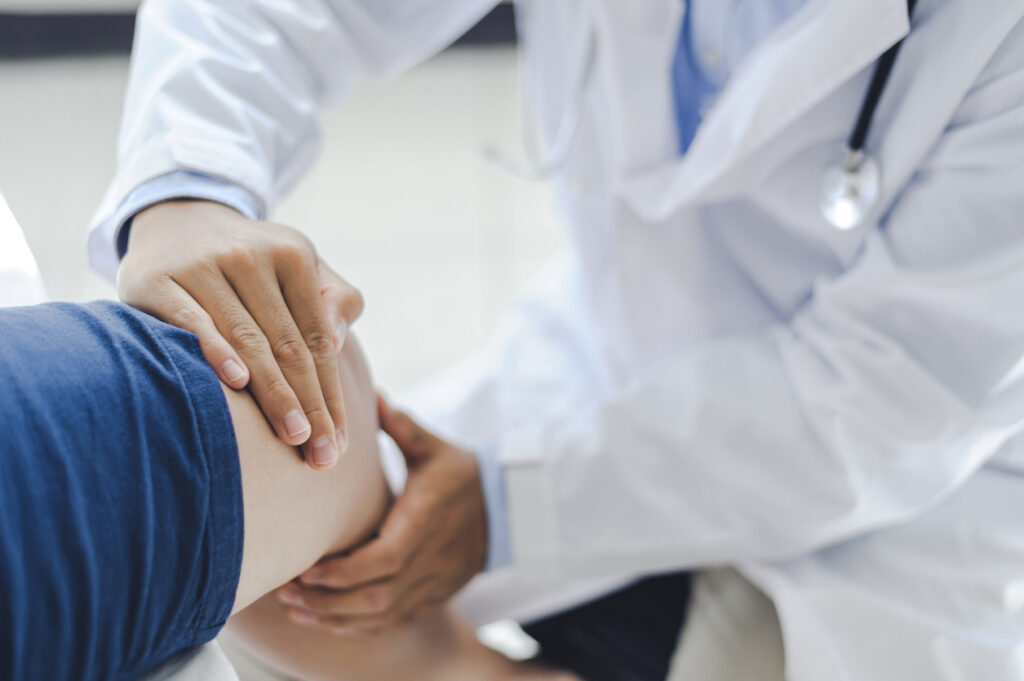
Knee pain after a car accident is often the result of direct impact, sudden bracing, or twisting forces during a collision, and it can involve ligaments, cartilage, tendons, the kneecap, or surrounding soft tissues. Some injuries are felt immediately, while others surface over the following days as swelling builds and the initial adrenaline of the crash fades.
If your knee feels sore, stiff, swollen, or unstable after a collision, you are not overreacting by taking it seriously. Every accident and every body is different, and what looks like a mild ache in the hours after a crash can behave very differently a few days later.
This guide walks through why the knee is vulnerable in a collision, the injury types most often seen after auto accidents, how to recognize symptoms that deserve attention, what a clinical evaluation involves, and the coordinated care options available through RejuvenX across Florida.
Key Takeaways
Key Takeaways
- Knee pain after a car accident can stem from ligament tears (ACL, PCL, MCL, LCL), meniscus damage, patellar fractures, or soft tissue injuries caused by dashboard impact or bracing forces.
- Symptoms may not appear right away. Swelling, stiffness, and instability can develop 24 to 72 hours after a collision as adrenaline wears off and inflammation sets in.
- A thorough evaluation looks beyond the knee itself, considering the hip, pelvis, and lower back, and may include on-site diagnostic imaging when clinically appropriate.
- Coordinated, non-surgical care that combines chiropractic care, physiotherapy, soft tissue therapy, and pain management can help manage and reduce pain and support recovery.
- Florida patients typically must be evaluated within 14 days of an accident to remain eligible for Personal Injury Protection (PIP) benefits.
Why Car Accidents Are Hard on the Knee
A collision loads the body in ways daily life never does. The knee sits at the meeting point of the thigh bone, the shin bone, and the kneecap, held together by ligaments, cushioned by cartilage, and supported by tendons and muscles. In a crash, that intricate structure can absorb forces from several directions at once, and it often does so with very little room to move out of the way.
How Crash Forces Affect the Knee Joint
During a collision, your legs may be planted on the floorboard or pressed hard against the brake pedal at the moment of impact. The rest of the body shifts forward while the knee stays relatively fixed, which stretches or compresses the joint in unnatural ways. Twisting forces from the seatbelt catching the torso, or from the car spinning after impact, can add rotation that the ligaments and menisci were not braced for.
Dashboard Impact: A Common and Underrecognized Mechanism
In many frontal collisions, the knee strikes the dashboard, steering column, or lower interior of the vehicle. This mechanism is common enough that clinicians often call it a dashboard knee injury. When the front of the knee makes hard contact with a solid surface, the force can travel through the kneecap into the joint behind it and drive the shin bone backward relative to the thigh bone. That backward force is one of the classic ways the posterior cruciate ligament (PCL) is injured, and it can also fracture the patella or bruise the cartilage underneath.
Why Knee Pain May Not Appear Right Away
Adrenaline released during and immediately after a crash can mute pain signals for hours. Swelling takes time to develop, and inflammation in a joint often builds overnight rather than in real time. That is why many patients feel a manageable ache at the scene and then wake up the next morning with a stiff, swollen knee that no longer bears weight comfortably. Delayed-onset symptoms are a normal part of how the body responds to trauma, not evidence that the injury is minor.
Common Knee Injuries That Follow a Collision
The kind of injury a knee sustains often depends on how it was loaded during impact. A knee driven straight into the dashboard tells a different story than one twisted as the body pivoted against a seatbelt. Understanding the main injury patterns can help you make sense of your symptoms and have a more informed conversation with your care team.
Ligament Injuries: ACL, PCL, MCL, and LCL
Four ligaments hold the knee together, and any of them can be strained, partially torn, or fully torn in a collision. The anterior cruciate ligament (ACL) sits deep in the joint and often gives way when the knee twists while the foot is planted, which can happen as a driver braces or the body rotates against the belt. The posterior cruciate ligament (PCL) runs behind the ACL and is particularly vulnerable to dashboard impact, since a hard blow to the front of the shin drives the tibia backward. PCL injuries from auto accidents may present with steady pain, swelling, difficulty walking, and mild to intense instability. The medial collateral ligament (MCL) on the inner side of the knee and the lateral collateral ligament (LCL) on the outer side can be strained when the knee is forced sideways during the crash.
Meniscus Tears from Twisting or Compression Forces
The menisci are two crescents of cartilage that cushion the joint between the thigh bone and shin bone. Meniscus tears from car accidents result from forceful twisting or hyper-flexing of the knee joint during a collision. Symptoms often include a catching or locking sensation, swelling that comes and goes, pain along the joint line, and a feeling that the knee cannot fully straighten or bend. Some meniscus tears respond well to non-surgical care, while others may need further evaluation.
Patellar Fractures and Kneecap Injuries
The kneecap, or patella, is a shield-shaped bone that sits at the front of the joint. When it strikes the dashboard directly, it can crack or fracture. Even without a fracture, the cartilage on the back of the patella can be bruised or damaged, contributing to patellofemoral pain syndrome as recovery progresses. Signs of a patellar injury can include visible swelling at the front of the knee, difficulty straightening the leg, tenderness directly over the kneecap, and pain that intensifies with stairs or squatting.
Soft Tissue Damage: Tendons, Bursae, and Surrounding Structures
Not every collision-related knee injury involves bone or ligament. Tendons that connect the quadriceps and hamstrings to the knee can be strained. The small fluid-filled sacs called bursae, which reduce friction inside the joint, can become inflamed after impact. Muscles around the knee may develop microtears or spasms from the sudden bracing that happens in a crash. Soft tissue injuries can produce real, meaningful pain and often benefit from targeted therapy even when imaging shows no fracture.
Recognizing the Symptoms of a Collision-Related Knee Injury
Symptoms can evolve significantly over the first 24 to 72 hours after an accident, which is one of the ways collision-related knee pain differs from a typical sports injury. What felt like a bruise at the scene may become a stiff, swollen, unstable joint by the second morning.
Immediate Symptoms Versus Delayed-Onset Pain
Immediate symptoms often include sharp pain at the moment of impact, visible bruising, or an obvious inability to bear weight. Delayed-onset symptoms tend to build more quietly. You might notice increasing stiffness overnight, swelling that develops over a day or two, a dull ache that worsens when you sit for a long time and then try to stand, or a feeling that the knee no longer moves through its full range. Both patterns deserve attention.
Signs That Suggest a More Significant Injury
Certain symptoms suggest an injury that may involve deeper structures and typically warrants a prompt evaluation. These include the knee giving way or feeling unstable when you put weight on it, a locking or catching sensation that stops full motion, significant swelling that persists beyond the first day, visible deformity, an inability to straighten or bend the knee, or pain that steadily worsens rather than improves. Numbness, tingling, or a cool sensation in the lower leg or foot also deserves quick attention, since those can point to nerve or vascular involvement.
Referred Pain: When the Knee Hurts but the Source Is Elsewhere
Sometimes what feels like knee pain is actually referred pain from another part of the body. Compression of nerves in the lower back, misalignment in the sacroiliac joint, or hip trauma sustained in the same collision can all send pain signals that the brain interprets as coming from the knee. This is one reason a careful evaluation looks at the whole lower body rather than the knee in isolation.
How Collision-Related Knee Injuries Are Evaluated
A thoughtful evaluation of a post-accident knee looks beyond the joint itself, considering the hip, pelvis, and lower back and how force may have traveled through the body during the crash. That whole-picture perspective often reveals contributing factors that a knee-only exam can miss.
Physical Examination and Movement Assessment
A first visit usually begins with a conversation about the accident itself, when symptoms started, what makes them better or worse, and how the knee has behaved over the days since impact. The physical exam that follows may include gentle range-of-motion testing, stability checks for each ligament, palpation along the joint line, and observation of how you walk, stand, and shift weight. Providers also look at posture and the alignment of the hips and lower back, because those areas influence how the knee is loaded during everyday movement.
When X-Ray or MRI May Be Ordered
Imaging is used to answer specific clinical questions rather than as a routine step. X-ray is generally the first choice when a fracture is suspected, since it captures bone injuries clearly. MRI can be helpful when the concern is ligament damage, meniscus tears, or soft tissue injury, because it shows structures that X-ray cannot. At select RejuvenX locations, on-site diagnostic imaging including X-ray and MRI is available, which can shorten the time between evaluation and answers.
Evaluating the Full Kinetic Chain, Not Just the Knee
The knee is part of a kinetic chain that runs from the foot to the lower back. A misalignment in the pelvis, restricted motion in the hip, or an altered gait pattern can all change how the knee absorbs load during recovery and after. Considering the full chain helps identify contributing issues that might otherwise slow healing, and it supports a more complete care plan.
Coordinated Care Options for Knee Pain After an Accident
No single treatment addresses every dimension of a collision-related knee injury. Ligaments, cartilage, muscles, joint alignment, and pain patterns each respond to different tools, which is why coordinated care tends to work better than any one modality on its own.
Chiropractic Care and Spinal Alignment in Knee Recovery
Chiropractic accident care in Florida uses gentle, precise chiropractic adjustments to help restore alignment in the spine, pelvis, and related joints. When the pelvis or lower back is out of alignment after a crash, the knee often compensates, which can prolong discomfort. Adjustments may help reduce that compensation and improve how the body distributes load during walking and daily activity.
Physiotherapy, Soft Tissue Therapy, and Rehabilitation
Therapeutic rehabilitation focuses on rebuilding strength, mobility, and stability around the injured knee. A plan may include guided stretching, progressive strengthening for the quadriceps, hamstrings, glutes, and hips, balance work to retrain coordination, and core stabilization to support the spine and pelvis. Soft tissue therapy and myofascial release can help relieve tightness in the muscles and connective tissue around the knee, which often carries tension after a crash. Learn more about physiotherapy and rehabilitation after an auto accident and how a personalized plan is structured.
Pain Management for Complex or Persistent Knee Pain
When pain is more complex, layered, or slow to respond to first-line care, pain management physicians can offer additional options. Non-opioid care options may be considered when clinically appropriate, and interventions are coordinated with the rest of your care team so every part of your plan is working in the same direction.
How Coordinated, Multidisciplinary Care Supports Recovery
At RejuvenX, chiropractic care, physiotherapy, pain management, and diagnostic imaging live under one roof. Your providers communicate directly, so imaging findings inform the rehabilitation plan, chiropractic adjustments are timed alongside soft tissue work, and pain management supports both. That coordination removes much of the back-and-forth that patients often experience when treatment is scattered across separate offices.
Wondering whether your knee pain deserves a professional evaluation? If your knee still hurts, feels unstable, or has become more swollen since the accident, a same-day or next-day appointment can give you clearer answers and a personalized plan. Request an appointment with the RejuvenX team when you are ready.
Florida Auto Accident Patients: What You Should Know About PIP and Timely Evaluation
Handling insurance paperwork after a crash adds stress to a moment when your body is already asking for rest. The information here is educational and does not guarantee any specific coverage or outcome, but understanding the basic timeline can help you make informed decisions.
Florida’s 14-Day PIP Evaluation Window Explained
Florida is a no-fault auto insurance state. Personal Injury Protection (PIP) benefits typically require that injured drivers and passengers receive an initial medical evaluation within 14 days of the accident. That window applies regardless of which body part is affected, including knee injuries. Missing the 14-day window can affect eligibility for PIP benefits related to the accident.
Documentation and Insurance Coordination Support at RejuvenX
Our team is experienced in treating patients after auto accidents and familiar with the documentation that PIP claims and attorneys often request. When authorized, we work directly with your insurance provider and attorney, handle medical records carefully, and help keep your evaluation and care aligned with the timeline that matters for your claim.
What to Expect at Your First RejuvenX Evaluation
Many patients feel uncertain about what a first appointment actually involves, especially when they are still processing the accident itself. The short version is that your first visit is a conversation as much as an exam, designed to understand your situation before any treatment is recommended.
Your First Visit: Evaluation Before Treatment
Expect a discussion of how the accident happened, which symptoms you have noticed, and how the knee and rest of the body have felt since. A physical evaluation follows, looking at posture, movement, strength, and the knee itself. On-site diagnostic imaging may be ordered when clinically appropriate. From there, your provider explains what the findings suggest and outlines a personalized care plan you can ask questions about before agreeing to next steps.
Convenient Access Across Florida
With more than 11 locations across Southwest, Central, and Southeast Florida and over two decades of experience, RejuvenX offers same-day and next-day appointments, including evenings and weekends. Bilingual staff are available at many locations, and transportation coordination is offered when your vehicle is out of service. The goal is to remove the practical barriers that can otherwise delay care, so your recovery can start when you are ready.
Begin Your Knee Evaluation Today
Let RejuvenX be your partner in healing after a car accident. Our care team is experienced in evaluating collision-related knee injuries and building coordinated plans that fit your body and your schedule. Request an appointment and we will help you find a time and location that works for you.
Frequently Asked Questions
Yes, knee injuries from car accidents can absolutely appear days after the collision. Adrenaline released during and after a crash can mask pain, and inflammation often builds gradually over 24 to 72 hours, which is why swelling, stiffness, or instability may become noticeable a day or two later. If new or worsening knee symptoms develop after your accident, an evaluation can help identify what is happening before it becomes harder to address.
A dashboard knee injury occurs when the front of the knee strikes the dashboard, steering column, or lower interior of the vehicle during a frontal collision. The force can drive the shin bone backward relative to the thigh bone, which is a common mechanism for posterior cruciate ligament (PCL) injuries, and it can also cause patellar fractures or bruise the cartilage behind the kneecap. Severity varies widely, so a clinical evaluation, sometimes supported by diagnostic imaging, is the most reliable way to understand what has been affected.
Many collision-related knee injuries can be managed through non-surgical, coordinated care that includes chiropractic care, physiotherapy, soft tissue therapy, and pain management when clinically appropriate. Whether surgery is considered depends on the specific structures involved, the severity of the damage, and how the knee responds to conservative care over time. A thorough evaluation, including imaging when indicated, is the best way to understand your options.
Chiropractic care can support recovery from collision-related knee pain by addressing alignment in the spine, pelvis, and related joints that influence how force travels through the knee. Gentle, precise adjustments paired with soft tissue therapy and rehabilitation may help manage and reduce pain and support restored mobility. The care plan is personalized based on your specific injury, symptoms, and evaluation findings.
Recovery time varies based on the type and severity of the injury, your overall health, and how consistently you attend your care sessions. Some patients notice meaningful improvement within several weeks, while more significant ligament, meniscus, or bone injuries may take longer to progress through rehabilitation. Your provider will build a personalized plan and adjust it as you heal.
Waiting to be evaluated can allow inflammation, stiffness, and compensatory movement patterns to develop, which may make recovery more involved. In Florida, injured drivers and passengers typically must be evaluated within 14 days of the accident to remain eligible for Personal Injury Protection (PIP) benefits, so delaying care can also affect insurance eligibility. Getting evaluated early creates a clearer clinical picture and supports better documentation for your recovery and any claim.