
Understanding Knee Pain Caused by Cycling: Chiropractic Support for Knee Pain & Accident-Related Injuries
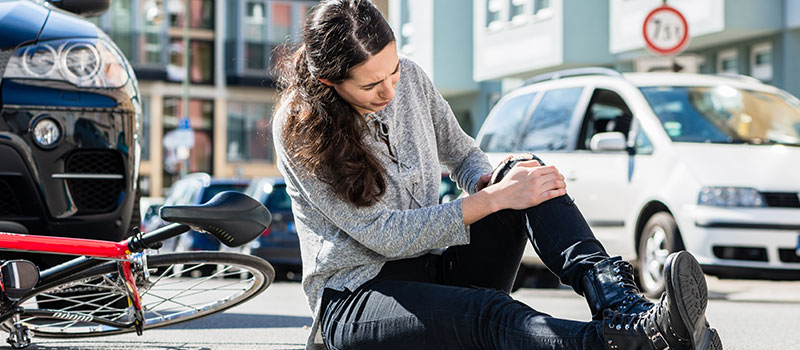
Knee pain caused by cycling most often results from repetitive strain, poor bike fit, or muscle imbalances that place uneven force on the knee joint over thousands of pedal strokes per ride. Identifying where the pain shows up, whether at the front, back, or sides of the knee, often points directly to what is contributing to it.
If you ride regularly, you have likely felt some form of knee soreness. That discomfort can be easy to brush aside, but recurring pain is your body asking for attention, and ignoring it can turn a manageable issue into a longer recovery.
This guide walks through the common types of cycling-related knee pain, practical steps to protect your knees, and how non-surgical care can help. We also cover knee pain that follows auto accidents or falls, and what Florida patients should know about timely evaluation after a collision.
Key Takeaways
Key Takeaways
- Cycling knee pain is usually tied to overuse, bike fit, cleat alignment, or muscle imbalances rather than a single acute event.
- Where the pain appears (front, back, inside, or outside of the knee) often points to a specific contributing cause.
- Gradual training progression, proper bike fit, and consistent stretching can meaningfully reduce the risk of recurring knee pain.
- Knee pain can also follow auto accidents, slip-and-fall events, or other personal injury incidents and may not be immediately obvious.
- Florida patients injured in an auto accident must be evaluated within 14 days to remain eligible for Personal Injury Protection (PIP) benefits.
Why Cycling Places Unique Demands on Your Knees
Think about a single hour-long ride. Your legs cycle through thousands of pedal revolutions, and every one of them sends force through the knee joint. A rider covering 250 km a week at 90 rpm can complete more than 67,000 pedal revolutions in seven days, which means even a small biomechanical issue, such as a saddle that is a centimeter too high or a cleat rotated a few degrees off, gets multiplied into real, accumulated stress.
That repetitive load is part of why up to 40 percent of cyclists will experience knee discomfort at some point (Source: pmc.ncbi.nlm.nih.gov). The knee is the primary force-transfer point in the pedal stroke, working alongside the hip and ankle to convert effort into motion. When alignment, fit, or muscle balance is off, the knee absorbs the difference.
The Repetitive Motion Problem
Unlike a single hard impact, cycling stress builds quietly. You may feel fine during the ride and only notice tightness or soreness hours later. That delayed pattern is the hallmark of an overuse injury, where micro-stress on tendons, cartilage, and supporting tissues outpaces the body’s ability to recover between rides.
Overuse Versus Acute Injury
Most cycling knee pain is overuse-related, meaning it develops gradually from repeated strain. Acute knee injuries, by contrast, usually involve a clear event such as a crash, a fall, or a sudden twist. Both deserve attention, but they often look different in how they present and how they are treated.
Why Delayed-Onset Soreness Deserves Attention
Knee pain that appears the morning after a ride, or that returns ride after ride, is a signal worth listening to. Recurring pain rarely resolves on its own when the underlying cause, whether equipment, biomechanics, or tissue irritation, is still present. Early evaluation can help identify what is driving it before it becomes a longer-term issue.
Common Types of Cycling-Related Knee Pain & Their Causes
Where the pain lives often points directly to what is causing it. That is a useful starting place because it turns a vague ache into something you can investigate and address.
Pain at the Front of the Knee
Pain at the front of the knee, often around or behind the kneecap, is one of the most common complaints among cyclists. It is frequently linked to patellofemoral pain syndrome (PFPS), sometimes called cyclist’s knee, where the kneecap does not track smoothly through its groove during repeated motion. Contributing factors often include a saddle that is too low or too far forward, crank arms that are too long, or weakness in the quadriceps and hip muscles. Chondromalacia patella, a softening of the cartilage under the kneecap, and patellar tendinitis, irritation of the tendon below the kneecap, can also show up in this area.
Pain at the Back of the Knee
Pain at the back of the knee usually points to overextension. A saddle that is too high or positioned too far back forces the knee to straighten more than it should at the bottom of each pedal stroke. Tight hamstrings amplify the effect, pulling on the knee through every revolution.
Pain on the Inside or Outside of the Knee
Pain along the inside or outside of the knee often traces back to cleat alignment. When your foot is rotated even slightly off neutral, your knee tracks at an angle instead of in a straight line, and the soft tissues on the sides of the joint take the strain. Outside-of-knee pain in particular can be linked to IT band syndrome (iliotibial band syndrome), where the thick band of tissue running down the outside of the thigh becomes irritated as it passes over the knee.
Muscle Imbalances & Biomechanical Factors
Beyond equipment, the body itself plays a role. Hip weakness, tight hamstrings, limited ankle mobility, leg length differences, and core instability can all change how force travels through the knee. Research in sports medicine suggests cyclists with knee pain often present with larger knee adduction angles and different hamstring activation patterns compared to cyclists without pain. In other words, two riders on identical bikes can have very different knee experiences depending on how their bodies move.
Preventive Strategies to Protect Your Knees While Cycling
Some knee discomfort is common among cyclists, but proactive steps can meaningfully reduce the risk of it becoming a persistent problem. Prevention is rarely about one big fix. It is usually about several small, consistent habits.
Gradual Training Progression
If you are building toward a longer ride or a faster pace, get there in steps. Sudden jumps in distance, intensity, or hill work give your knees no time to adapt. A gradual increase in mileage and effort, with easier recovery rides built in, lets the supporting tissues strengthen along with your cardiovascular fitness.
Bike Fit Fundamentals
Saddle height, saddle fore-aft position, cleat alignment, and crank length all influence how your knee tracks through each pedal stroke. A professional bike fit can correct issues you may not even realize are present. Even small adjustments, a few millimeters here, a slight cleat rotation there, can change how comfortable a long ride feels.
Stretching & Strengthening
Tight muscles are more easily aggravated by repetitive motion. A consistent routine that stretches the hamstrings, quadriceps, hip flexors, and calves, paired with strengthening work for the glutes, hips, and core, gives the knee a more stable platform to work from. Noticing which areas feel tightest can also give you useful feedback about your position on the bike.
When Knee Pain Goes Beyond Cycling: Accidents, Falls & Personal Injury Events
The knee’s complexity makes it vulnerable to injury from many directions, not just the repetitive strain of sport. Impact-related knee injuries often present differently than overuse pain, and they may involve structures that need clinical evaluation to properly assess.
How Auto Accidents & Falls Can Injure the Knee
In an auto accident, the knee can strike the dashboard, steering column, or door panel, or it can absorb force as the body braces against the impact. Slip-and-fall events can twist the knee unnaturally or load it suddenly against the ground. In both cases, ligaments, cartilage, tendons, and the kneecap itself may be affected. Comprehensive auto accident injury care considers all of these possibilities together rather than treating the knee in isolation.
Why Impact-Related Injuries May Not Be Immediately Obvious
Adrenaline and the body’s stress response can mask pain in the hours and days after an accident. Swelling may take time to develop, and stiffness can build gradually. Some knee injuries from collisions or falls are not felt right away, which is one reason a timely evaluation matters even when you feel mostly okay at the scene.
The Importance of a Timely Evaluation
Every accident and every body is different. A clinical evaluation can help identify injuries that may not be obvious on the surface, including soft tissue damage, joint instability, or referred pain coming from the hip, lower back, or pelvis. Earlier evaluation also creates a clearer record of what happened and when, which can be useful for both recovery planning and documentation.
How Chiropractic Care & Physiotherapy Can Support Knee Pain Recovery
The knee does not function in isolation. How the hip, pelvis, and lower back are aligned directly influences how force travels through the knee joint, which is why a thoughtful evaluation looks at the whole kinetic chain, not just the painful area.
Chiropractic Evaluation
A chiropractic evaluation focused on knee pain typically looks at spinal alignment, hip and pelvic position, gait patterns, and movement quality. The goal is to understand what is contributing to the discomfort, whether that is a misalignment higher up the chain, a movement pattern that overloads one side of the knee, or a combination of factors. Gentle, precise adjustments may help restore alignment and improve how the body distributes load during activity.
Soft Tissue Therapy & Myofascial Release
Soft tissue therapy and myofascial release target the muscles, tendons, and connective tissue that surround and support the knee. Releasing tightness in the quadriceps, hamstrings, IT band, and hip muscles can take pressure off the joint and improve mobility. These hands-on techniques are often paired with guided stretching to reinforce the changes.
Physiotherapy & Postural Rehabilitation
Therapeutic rehabilitation and postural rehabilitation focus on rebuilding strength, stability, and movement quality. That may include progressive strengthening for the glutes and quads, core stabilization to support the spine and pelvis, balance work to retrain coordination, and movement drills that translate to daily activities or cycling. The plan adapts as you progress.
Pain Management When Needed
When knee pain is complex or persistent, advanced pain management for car accident injuries can provide additional options led by experienced physicians. Non-opioid care options may be considered when clinically appropriate, and care is coordinated with the rest of your treatment team so every part of your plan works together.
Wondering whether your knee pain needs professional attention? If discomfort keeps returning ride after ride, or if it followed an accident or fall, a same-day or next-day evaluation can give you clearer answers and a personalized path forward. Request an appointment with RejuvenX when you are ready.
A Note for Florida Auto Accident Patients: Knee Pain & PIP Evaluation
Navigating insurance paperwork after an accident is stressful, and understanding the timeline can help you make informed decisions about seeking care. This section is educational and does not guarantee any specific coverage or outcome.
Florida’s 14-Day PIP Evaluation Requirement
Florida is a no-fault auto insurance state, and Personal Injury Protection (PIP) benefits typically require that injured drivers and passengers receive an initial medical evaluation within 14 days of the accident. That window applies regardless of which body part is affected, including knee injuries. Missing the 14-day window can affect eligibility for PIP benefits related to the accident.
How RejuvenX Supports Documentation & Coordination
Our team is experienced in treating patients after auto accidents and understands the documentation that PIP claims and attorneys often need. We work directly with your insurance provider and attorney when authorized, handle medical records carefully, and help keep your evaluation and care aligned with the timeline that matters. For patients who want to understand the recovery process more fully, our overview of what to expect during auto accident aftercare walks through how a typical care plan unfolds.
Getting Evaluated at RejuvenX: What to Expect
Many patients feel uncertain about what happens at a first appointment. The short answer is that it is a conversation as much as it is an exam, designed to understand your individual situation before any treatment is recommended.
Comprehensive Evaluation
Your first visit usually includes a discussion of how the pain started, when it shows up, and what makes it better or worse. For accident-related visits, we ask about the event itself and any symptoms that have developed since. A physical evaluation looks at posture, movement, strength, and the knee itself, and on-site diagnostic imaging, including X-ray and MRI at select locations, may be ordered when clinically appropriate.
Coordinated Care Across Disciplines
RejuvenX brings chiropractic care, physiotherapy, pain management, and diagnostic imaging together under one roof. Your providers communicate with each other, so your care plan stays consistent as you progress. That coordination removes much of the back-and-forth that patients often experience when treatment is scattered across separate offices.
Convenient Access Across Florida
With more than 11 locations across Southwest, Central, and Southeast Florida and over two decades of experience, RejuvenX offers same-day and next-day appointments, including evenings and weekends. Bilingual staff are available at many locations, and transportation coordination is offered when your vehicle is out of service. The goal is to remove the practical barriers that can otherwise delay care.
Begin Your Knee Pain Evaluation Today
Whether your knee pain stems from cycling, an auto accident, or a fall, RejuvenX is here to help you understand what is happening and what your options are. Let our team be your partner in healing. Request an appointment and we will help you find a time and location that works for you
Frequently Asked Questions
Mild soreness after a long or hard ride can be common, but pain that shows up after every ride is a signal worth paying attention to. Recurring knee pain often points to a contributing factor such as saddle position, cleat alignment, muscle tightness, or a developing overuse injury. Having it evaluated early can help you identify the cause before it becomes a longer-term issue.
Yes, chiropractic care can support recovery from cycling-related knee pain by addressing how the hip, pelvis, spine, and lower body work together. A chiropractic evaluation looks at alignment and movement patterns that may be placing extra stress on the knee. Care often combines gentle adjustments, soft tissue therapy, and rehabilitative exercises to help manage and reduce pain and support function.
Overuse knee pain usually develops gradually, feels worse after activity, and improves with rest. A more serious injury often involves a clear event such as a fall or twist, noticeable swelling, instability, or sharp pain that limits walking. If you are unsure, a clinical evaluation can help determine what is causing the pain and whether imaging is needed.
Patellofemoral pain syndrome (PFPS) typically causes pain at the front of the knee, around or behind the kneecap, and is often linked to how the kneecap tracks during movement. IT band syndrome causes pain on the outside of the knee where the iliotibial band passes over the joint and is often related to tightness, hip mechanics, or training volume. Both are common in cyclists and can respond to non-surgical care that addresses the contributing biomechanics.
In many cases, yes, knee pain after a car accident can be supported through non-surgical care depending on the severity and structures involved. Chiropractic care, physiotherapy, soft tissue therapy, and pain management are often used together to support recovery and assist in restoring mobility and function. Surgical evaluation is reserved for injuries where it is clinically indicated, and your care team will guide you based on what your evaluation shows.
Florida’s Personal Injury Protection (PIP) benefits generally require that injured drivers and passengers receive an initial medical evaluation within 14 days of the auto accident. This requirement applies regardless of which body part is affected, including knee injuries. Meeting the 14-day window helps preserve eligibility for PIP benefits related to the accident, though specific coverage decisions are made by your insurance provider.
Recovery timelines vary based on the severity of the pain, how long it has been present, and how consistently you attend your care plan. Many patients begin to notice changes within several weeks of starting a coordinated plan, though some cases take longer. Your provider will personalize your plan and adjust it as you progress.