
Reasons to See a Chiropractor or Car Accident Clinic After a Crash
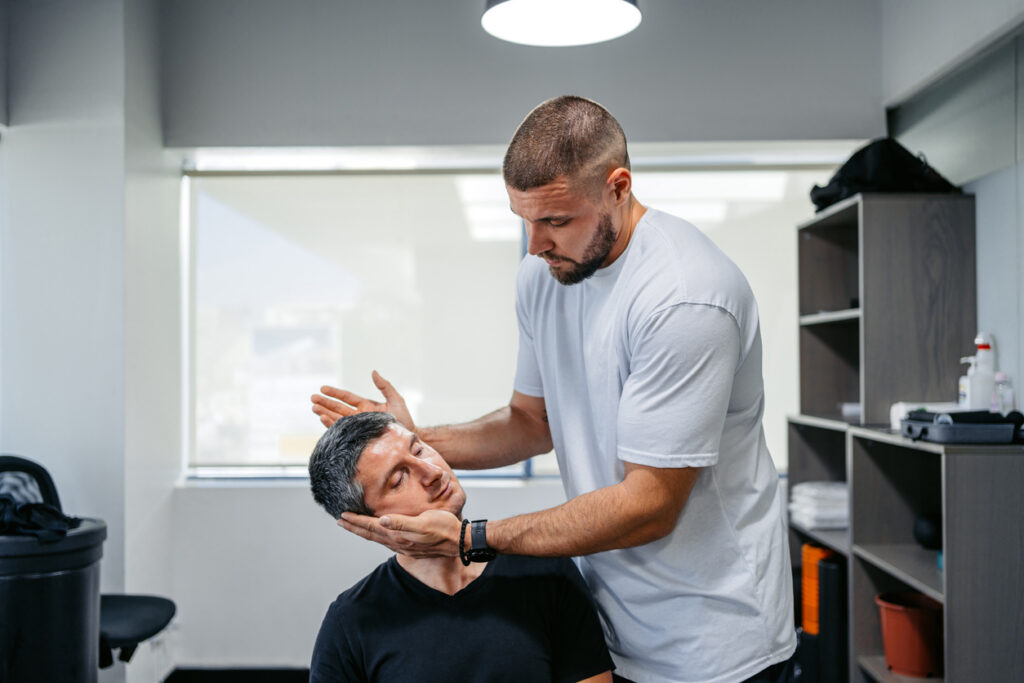
Visiting a car accident clinic after a crash gives you a structured medical evaluation that can identify injuries, document them properly, and guide a coordinated recovery plan, even when symptoms feel mild or have not yet appeared. For Florida drivers, an early evaluation also relates to the state’s auto insurance requirements under Personal Injury Protection (PIP).
The hours and days after a collision can feel disorienting. You may be sore in places you did not expect, focused on the car, the report, or work the next morning, and unsure whether what you are feeling warrants a doctor’s visit. That uncertainty is one of the most common reasons people delay care.
This guide walks through what a thorough post-accident evaluation may involve, the kinds of injuries a clinical team looks for, how chiropractic care fits alongside other treatment options, and what Florida’s PIP framework means for the timing of your first visit.
Key Takeaways
Key Takeaways
- An evaluation soon after a crash can help identify soft tissue and spinal injuries that may not produce immediate symptoms.
- Florida’s auto insurance system includes a 14-day evaluation window under Personal Injury Protection (PIP) that drivers should understand.
- Chiropractic care is one part of a multidisciplinary recovery approach that may also include physiotherapy, pain management, and diagnostic imaging.
- Choosing a car accident clinic with integrated services, on-site imaging, and insurance navigation support can simplify the recovery process.
- RejuvenX offers same-day appointments and transportation coordination across 11+ Florida locations to help patients begin evaluation without added barriers.
Why Timely Evaluation After a Car Accident Matters
Many people walk away from a crash and feel relatively fine for the first day or two. The adrenaline fades, the paperwork gets filed, and life moves on. Then the stiffness arrives, or the headaches start, or turning to check a blind spot suddenly hurts. By that point, the question is no longer whether to be evaluated, but how much time has passed.
How the Body Responds to Collision Forces
Even a low-speed collision transfers significant energy into the body. The neck, mid-back, and lower spine can be pushed beyond their normal range of motion in a fraction of a second. Muscles tighten reflexively to protect joints, ligaments stretch under load, and the soft tissues around the spine absorb forces they were not designed to handle. Low-speed collisions can still cause soft tissue and joint damage that may worsen over time if left untreated.
Why Symptoms Are Not Always Immediate
Delayed-onset symptoms are common after a crash. Stress hormones can mask discomfort in the early hours, and inflammation often builds gradually over the following days. A patient who feels only mild soreness on the night of an accident may wake up two or three days later with restricted neck rotation, lower back pain, or tension headaches. Every accident and every body is different, and the absence of immediate pain does not rule out an injury worth looking at.
The Role of a Structured Clinical Evaluation
A structured evaluation at a car accident clinic is designed to look beyond what hurts at the moment. The clinician reviews how the collision happened, examines posture, range of motion, and palpates the spine and surrounding soft tissues. When indicated, diagnostic imaging adds another layer of information. The goal is not to assume injury, but to establish a clear baseline so that any developing issue can be addressed before it becomes harder to treat.
Common Injuries a Car Accident Clinic May Identify
What feels like ordinary stiffness in the days after a crash can sometimes reflect underlying soft tissue or spinal involvement worth evaluating. A thorough clinical exam looks at several injury patterns that show up repeatedly in collision-related care.
Whiplash and Cervical Spine Injuries
Whiplash is one of the most frequently diagnosed conditions after a rear-end or side-impact crash. The rapid forward and backward motion of the head can strain the cervical spine, irritate facet joints, and inflame the muscles and ligaments that stabilize the neck. Symptoms may include neck pain, reduced rotation, shoulder tightness, and headaches that begin at the base of the skull.
Soft Tissue Damage and Myofascial Involvement
Muscles, tendons, ligaments, and the fascia that wraps around them can all be injured in a collision. These soft tissue injuries do not show up on standard X-rays, which is why hands-on examination is so important. Scar tissue can form in injured soft tissue after a crash, and early intervention may help address this before it contributes to longer-term stiffness or restricted movement.
Spinal Misalignment and Joint Dysfunction
The forces of a collision can shift small spinal joints out of their normal alignment. When that happens, surrounding muscles often compensate by tightening, which can produce localized pain, referred discomfort, and a feeling of limited mobility. Headaches following a car accident are often linked to neck and upper cervical spine involvement rather than head trauma alone.
Injuries That May Go Unnoticed Without Imaging
Some injuries hide behind initial soreness. A disc that has been stressed, a nerve that is becoming irritated, or a deeper joint issue may not be obvious during a brief check. When clinical findings warrant it, X-ray or MRI imaging can help clarify what is happening beneath the surface and support an appropriate care plan. You can learn more about on-site diagnostic imaging for collision-related injuries and how it fits into a complete evaluation.
What Chiropractic Evaluation and Care May Involve After a Crash
For patients who have never been to a chiropractor, the first visit can feel like an unknown. Framing it as a starting point for understanding, rather than a commitment to a specific treatment path, makes the process more approachable.
The Initial Evaluation: What Clinicians Assess
A chiropractic evaluation after a crash typically begins with a detailed history of the accident and your current symptoms. The provider checks posture, spinal alignment, range of motion, muscle tone, and neurological signs such as reflexes and sensation. Findings from the exam guide whether imaging is appropriate and what kind of care plan may help.
Chiropractic Adjustments and Spinal Realignment
When the exam supports it, gentle chiropractic adjustments may be used to mobilize restricted joints and help restore more normal motion in the spine. Chiropractic care after a car accident may help reduce inflammation by mobilizing the spine and surrounding soft tissues, which can support the body’s natural recovery processes. Adjustments are non-surgical, and non-opioid care options may be considered when clinically appropriate.
Soft Tissue Therapy and Myofascial Release
Because so many post-accident injuries involve soft tissue, hands-on techniques play a significant role. Myofascial release, targeted stretching, and manual therapy may be used alongside adjustments to address tight muscles, restricted fascia, and the kind of guarding that develops after a traumatic event. Core stabilization work is often introduced later in the care plan to support the spine as movement returns.
How Diagnostic Imaging Supports the Care Plan
Diagnostic imaging is not used routinely for every patient, but it can be valuable when symptoms or exam findings suggest deeper involvement. X-rays can reveal alignment changes and rule out fractures, while MRI offers a clearer view of discs, nerves, and soft tissue. Imaging also contributes to thorough medical documentation, which matters for both clinical follow-through and insurance purposes.
Florida PIP Insurance and the 14-Day Evaluation Window
Florida’s auto insurance system has specific requirements that many drivers do not learn about until after an accident. The information below is educational, not legal or insurance advice, and individual coverage and eligibility vary based on your policy.
What Florida PIP Coverage Generally Provides
Florida is a no-fault state, which means drivers generally carry Personal Injury Protection (PIP) as part of their auto insurance. PIP is designed to help cover certain medical expenses for injuries related to an auto accident, regardless of who was at fault. Coverage details, limits, and eligibility depend on your individual policy and circumstances.
The 14-Day Rule: Why Timing of Evaluation Is Relevant
Under Florida law, drivers are generally required to receive an initial medical evaluation within 14 days of an auto accident to be eligible to use their PIP benefits for related care. This timing is one reason many patients schedule an evaluation soon after a crash, even when their symptoms feel manageable. A clinic experienced in treating patients after auto accidents can explain how the 14-day window may apply to your situation.
Medical Documentation and Its Role in the Claims Process
A detailed clinical record, including history, exam findings, imaging results, and treatment notes, supports continuity of care and provides documentation that may be needed during the claims process. RejuvenX works with patients, insurance providers, and, when authorized, attorneys to coordinate this documentation so that the administrative side of recovery does not add to the burden.
Wondering whether your situation calls for an evaluation? A short conversation with our team can help clarify your next step, with no pressure to commit to a plan. Request an evaluation appointment when you are ready.
Chiropractic Care vs. Other Post-Accident Treatment Options
Patients often face uncertainty about where to start after an accident. Should you see your primary care physician? An urgent care provider? A chiropractor? The honest answer is that it depends on your symptoms and the severity of the crash, and these options are not mutually exclusive.
When to See a Medical Doctor First
If you have signs of a serious injury, such as loss of consciousness, severe pain, numbness or weakness in the limbs, difficulty breathing, or significant bleeding, the emergency room or your physician should be the first stop. Emergency medicine rules out the most urgent issues, including fractures, internal injuries, and traumatic brain injury.
How Chiropractic Care Fits Into a Multidisciplinary Recovery Plan
Once immediate concerns have been addressed, chiropractic care often becomes part of a broader recovery plan. Chiropractic focuses on spinal alignment, joint motion, and the musculoskeletal system, while physiotherapy emphasizes strengthening, flexibility, and progressive return to activity. Pain management physicians may be involved when symptoms are persistent or complex. These approaches are complementary rather than competing.
| Care Option | Primary Focus | Common Use After a Crash |
|---|---|---|
| Emergency or Primary Care | Acute injury, fractures, internal issues | Immediate assessment after significant trauma |
| Chiropractic Care | Spinal alignment, joint motion, soft tissue | Whiplash, back pain, restricted mobility |
| Physiotherapy | Strength, flexibility, functional movement | Rebuilding stability and endurance |
| Pain Management | Advanced interventions for persistent pain | Complex or ongoing symptoms |
| Diagnostic Imaging | Visualizing injury and supporting diagnosis | X-ray, MRI when clinically indicated |
The Value of Coordinated Care Under One Roof
When these services are coordinated within one practice, the patient experience tends to be smoother. Providers share findings, treatment plans evolve based on shared information, and patients spend less time repeating their story across different offices. Explore how comprehensive auto accident injury care is structured at RejuvenX for an example of this model in practice.
What to Look for When Choosing a Car Accident Clinic
Not all clinics approach post-accident care the same way. Some focus on a single service and refer out for everything else, while others are designed around the specific needs of injury recovery. A few practical criteria can help you decide where to be evaluated.
Integrated Care: Why Having Multiple Services in One Place May Help
A clinic that brings chiropractic care, physiotherapy, pain management, and diagnostic imaging together under one roof reduces the fragmentation that often slows down recovery. Communication between providers happens internally, scheduling is easier, and your records stay with one team. This model can be especially helpful when injuries involve more than one body region.
On-Site Diagnostic Imaging Capabilities
Clinics that offer on-site X-ray, and MRI at select locations, can move from exam to imaging to care plan without sending you elsewhere. That convenience matters when you are already managing a damaged vehicle, missed work, and the stress of paperwork. It also helps the clinical team build a complete picture of your condition more quickly.
Accessibility, Appointment Availability, and Insurance Navigation Support
Look for clinics that offer same-day or next-day appointments, evening and weekend availability, and staff who understand Florida’s PIP framework. Practical support, such as transportation coordination for patients whose vehicles are out of service and bilingual staff at many locations, can make the difference between starting care and putting it off. You can learn more about chiropractic accident care and how it fits into the broader RejuvenX model.
Taking the Next Step Toward Evaluation and Care
Taking the first step after an accident can feel overwhelming. Having a clear path forward, with someone who can explain each part of the process, makes a meaningful difference in how the days and weeks after a crash unfold.
RejuvenX’s Approach to Post-Accident Evaluation
With over two decades of experience caring for Floridians after auto accidents, the RejuvenX team focuses on coordinated, patient-centered evaluation. Your visit begins with listening, moves into a thorough exam, and ends with a clear explanation of what the team observed and what care options may be appropriate. You can then make the decision on how to move forward with your care.
Same-Day Appointments and Transportation Support
RejuvenX offers same-day appointments, including evenings and weekends, across 11+ locations throughout Southwest, Central, and Southeast Florida. Transportation coordination is available for the first three visits when a patient’s vehicle is out of service, helping remove a common barrier to getting started.
How to Schedule Your Evaluation
Scheduling is straightforward. You can call 941-697-3001 or use the online request form to set up your first appointment. Our team will confirm a time that works for you, gather basic insurance information, and walk you through what to expect at your visit.
Begin Your Evaluation with a Team That Understands Auto Accident Recovery
If you have been in a car accident and are weighing your next step, RejuvenX is here to help you understand your options. Our team will guide you through evaluation, care planning, and the practical questions that come with Florida’s PIP framework. When you are ready, request an appointment or call 941-697-3001 to get started.
Frequently Asked Questions
Not necessarily, but it depends on the severity of your injuries. If you have signs of serious trauma such as loss of consciousness, severe pain, numbness, or difficulty breathing, the emergency room or your physician should be the first stop. For musculoskeletal symptoms like neck pain, back stiffness, or headaches, a chiropractic evaluation at a car accident clinic can be an appropriate starting point and may be coordinated with other providers as needed.
Yes, an evaluation is often a good idea even without immediate pain. Delayed-onset symptoms are common after a crash because stress hormones and inflammation can mask discomfort in the first hours or days. A structured exam helps identify soft tissue or spinal injuries before they have a chance to develop into longer-term issues.
Under Florida law, drivers generally must receive an initial medical evaluation within 14 days of an auto accident to remain eligible to use Personal Injury Protection (PIP) benefits for related care. This window is one practical reason many patients schedule an evaluation soon after a crash. Individual eligibility and coverage details depend on your specific policy, so it is worth confirming with your insurer or a clinic experienced in PIP-related care.
Many auto accident-related services may be covered under Florida’s no-fault PIP framework, but coverage varies by policy and circumstances. RejuvenX works directly with insurance providers and, when authorized, with attorneys to help manage documentation and billing. We can also help you understand how your specific coverage may apply during your initial visit.
The number of visits varies based on the type and severity of your injuries, your overall health, and how your body responds to care. Some patients see meaningful improvement within a few weeks, while others benefit from a longer course of treatment that combines chiropractic care with physiotherapy and other services. Your provider will adjust the plan as you progress.
Chiropractic care focuses on spinal alignment, joint motion, and the musculoskeletal system, often using adjustments and soft tissue techniques to support recovery. Physiotherapy emphasizes strengthening, flexibility, and progressive return to functional movement. The two approaches are complementary, and at RejuvenX they are often combined within a single coordinated care plan.